E Bike Helmets: What the Standard Means and How to Fit
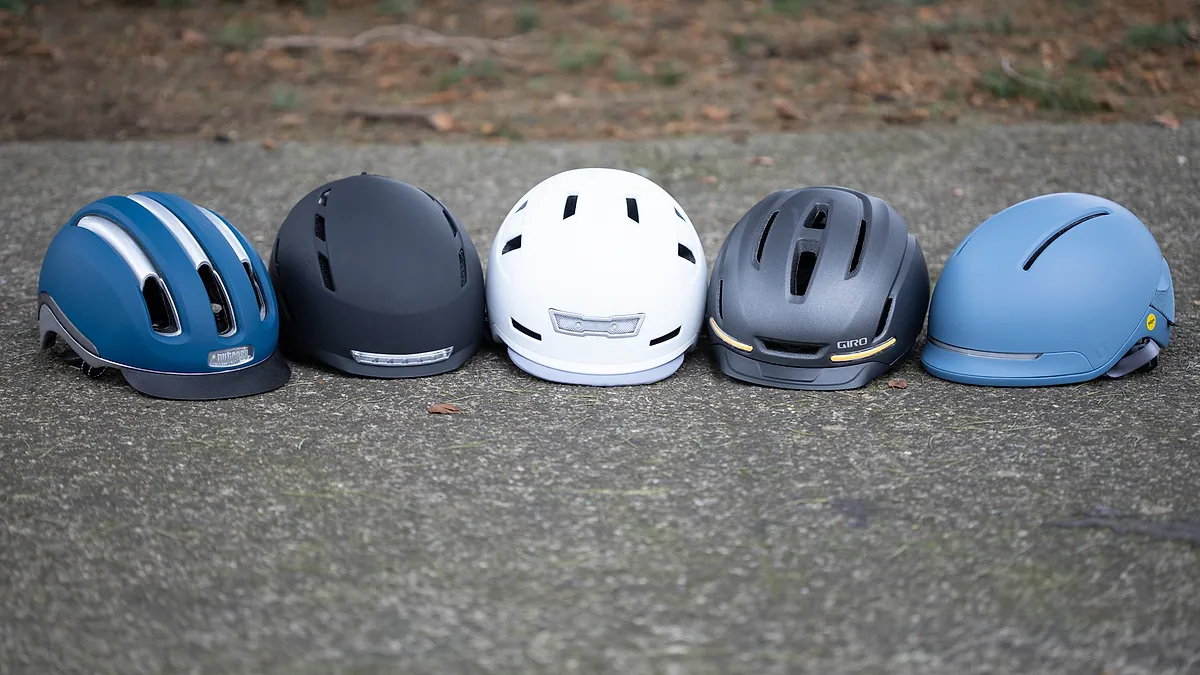
E bike helmets do the same job as any bicycle helmet, but the speeds, weights and distances involved make a good one more important. A helmet is compulsory for every rider in Australia, and the right one fits snugly, carries the correct certification and is replaced when it has done its work. This guide explains the law and the standard, how to size and fit a helmet, what MIPS, visors and lights add, how commuter and sport styles differ, when to replace a helmet, and which helmets are worth a look. It also clears up common confusion about motorcycle and infant helmets.
Helmet law for e-bike riders
In every Australian state and territory, bicycle riders must wear an approved helmet, and that includes riders of pedal-assist e-bikes. Fines apply for riding without one. Rules differ slightly on exemptions and penalties, so check your state road authority for the detail.
The helmet must be securely fitted and fastened. A helmet that is hanging off the back of your head or has loose straps will not protect you. Wear it every ride, including short trips, because most crashes happen close to home.
The law covers passengers as well as riders, so a child in a seat or on a cargo bike must also wear an approved helmet. Check the fit of every helmet in your household, because children grow quickly and adult helmets are often borrowed without adjustment.
AS/NZS 2063 explained
The standard that matters is AS/NZS 2063, the Australian and New Zealand standard for bicycle helmets. A compliant helmet carries a label inside, and Standards Australia: AS/NZS 2063:2020 helmet standard explains what the standard covers and why it was updated. Helmets sold in Australia for bicycle use should carry it.
Motorcycle helmets are different. You may see dot biker helmets advertised, but DOT is a United States standard for motorcycle helmets, and it does not replace AS/NZS 2063 for a bicycle rider. Always check the label, and buy from a retailer that supplies helmets certified for Australian use. ACCC Product Safety: e-bikes and e-micromobility devices publishes product safety information that is useful to check.
Retailers that sell ebike helmets should be able to show the AS/NZS 2063 label and the manufacture date. If the helmet is old stock or has been on display in the sun for a long time, ask about the date, because materials degrade.
Fit: the two-finger rule
A helmet should fit snugly. It sits level on the head, two fingers above the eyebrows, and does not rock when you shake your head. Adjust the side straps so that they form a V just below each ear, and tighten the chin strap so that you can fit one or two fingers between the strap and the chin.
Measure your head circumference with a tape measure just above the eyebrows and ears, and compare it with the size chart. Our electric bike helmet range lists the sizes for each model. Do not buy a helmet that is too big to grow into, because it will not protect properly, and for children use a childrens cycle helmet that fits now.
Re-check the fit every few months, because pads compress and straps loosen. A helmet that fitted well when new may need a pad change or a strap adjustment after a season of use.
MIPS, visors and lights
MIPS, or multi-directional impact protection system, is a low-friction layer that helps reduce rotational forces in an angled impact. Many riders choose it for extra protection. A visor reduces glare and keeps rain off your face, and integrated lights and reflective details help you be seen.
Other features include ventilation, a rear adjustment dial and removable pads. Each adds comfort or safety, but none replaces a proper fit. Prioritise the standard and the fit, then choose the features that suit your riding.
Lights built into the helmet add visibility from behind and to the side, which is especially useful at dusk. A small rechargeable rear light is cheap and easy to add to most helmets.
Commuter vs sport helmets
A commuter helmet is usually more rounded, with extra coverage at the back and sometimes a built-in light. It suits daily riding in the city and is designed to look neat. A sport or mountain helmet has more vents, a visor and often extended rear coverage for trail crashes.
For e-mountain bikes, many riders choose a helmet with extra coverage or a full-face design for steep, technical terrain, and a e mtb electric bike page covers suitable models. Women and men can use the same helmets, though some brands offer shapes and sizes designed for different head shapes, and a e bike women guide shows options that suit smaller heads.
Weight is also a factor. A light helmet is more comfortable on a long ride, and heavier helmets with more coverage are worth it only if you ride in terrain that needs it.
Replacing a helmet
Replace a helmet after any significant impact, even if it looks undamaged, because the foam is designed to crush once. Replace it after about five years, or sooner if the shell is cracked, the foam is compressed, the straps are frayed or the padding has worn out. Heat and sunlight can also degrade materials.
Store your helmet in a cool, dry place and clean it with mild soap and water. Avoid solvents and stickers that can weaken the shell. Keep the label and the receipt, because it helps with warranty or replacement.
Treat an e bikes helmet like any piece of safety equipment: replace it before it is a problem, not after.
Helmets compared
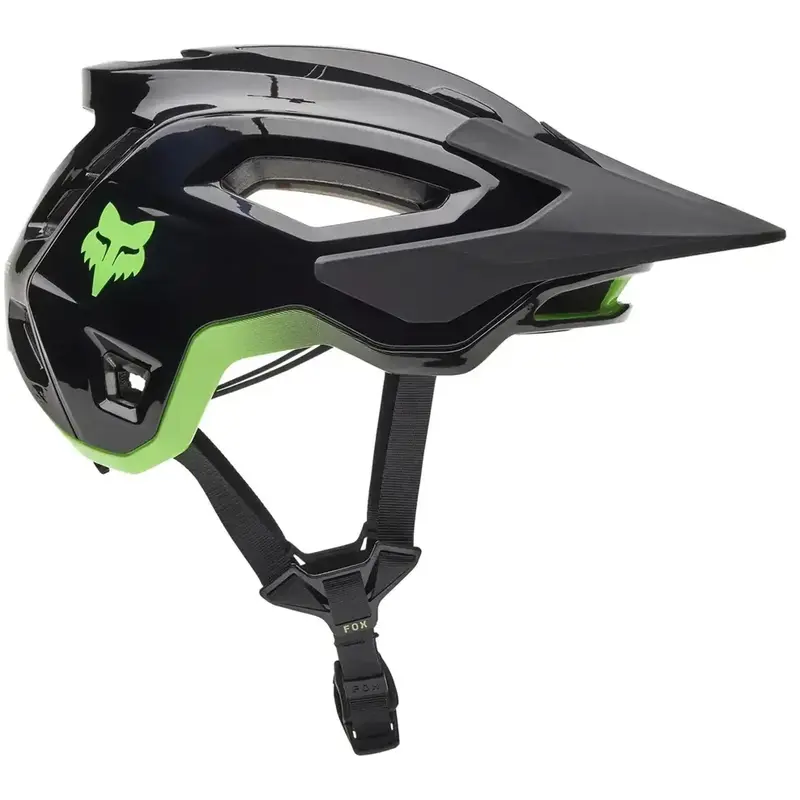
The table below lists helmets from our range at a spread of prices, from a simple commuter helmet to a full-face model for aggressive trail riding. The Fox Speedframe Pro MIPS MTB Helmet Black/Green 50 Years Edition is a MIPS mountain bike helmet that suits e-mountain biking and also works for fast commutes.
For infants, note that a baby should not ride on a bike until they can sit unaided and hold their head up. An infant cycling helmet is not a substitute for waiting, and infant helmets for bikes should only be used when the child is old enough for a seat. Our seat e bike range also covers child seat fittings and accessories.
If you ride with a child seat, remember that the seat and the helmet must work together. A child in a seat may need a helmet with a flatter back so that the head sits comfortably, and the helmet should not push the head forward.
Prices are the current listed prices at the time of writing and can change. Check each product page for the latest price and stock.
The right helmet is one that carries AS/NZS 2063, fits properly and that you will wear every ride. Good e bike helmets are not about brand names: they are about certification, fit and condition. Check the label, measure your head and replace the helmet when it has done its job. If you are not sure which helmet suits your riding, ask us and we will recommend one based on your bike and your route.
Frequently asked questions
Is a helmet compulsory on an e-bike?
Yes. Helmets are compulsory for bicycle riders in every state and territory, including riders of pedal-assist e-bikes. Check your state authority for penalties and exemptions.
What does AS/NZS 2063 certification cover?
AS/NZS 2063 is the Australian and New Zealand standard for bicycle helmets. A compliant helmet carries a label inside. Check for the label before you buy.
How do I size a helmet?
No. A motorcycle helmet with a DOT label is built to a different standard, and it does not replace a bicycle helmet certified to AS/NZS 2063. Always buy a helmet made and certified for bicycle use.
When should I replace a helmet?
Measure your head circumference above the eyebrows, compare it with the size chart and check that the helmet sits level, does not rock and has straps that form a V under each ear.
Are full-face helmets worth it for e-MTB?
Replace it after any significant impact, after about five years of use or sooner if the shell is cracked, the foam is compressed or the straps are worn.
Sources and further reading
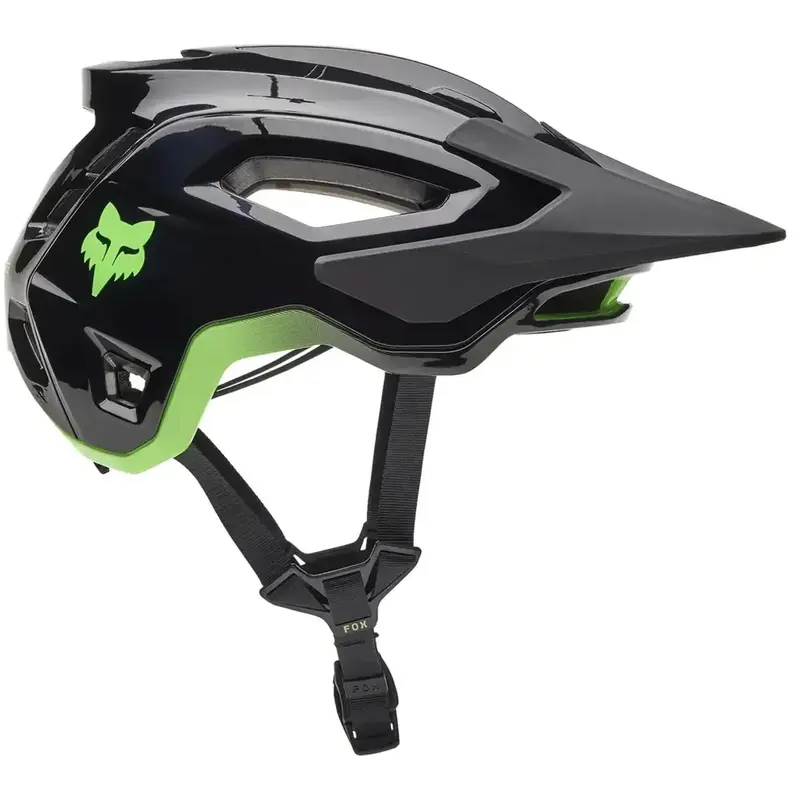
Fox Speedframe Pro MIPS MTB Helmet Black/Green 50 Years Edition
$199 AUD • 250W EN15194 Street Legal