Electric Bike With Child Seat Australia: What Is Safe?
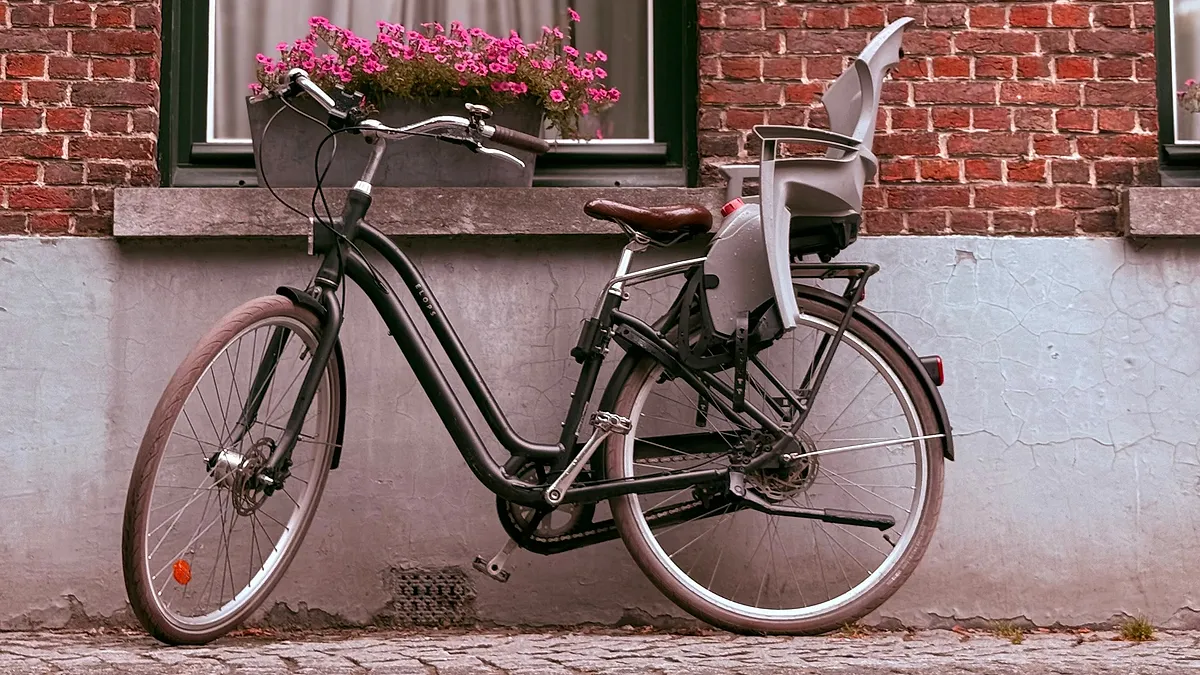
Looking for an electric bike with child seat Australia families can trust? The motor makes the school run, the park trip and the weekend errand faster and far less tiring, and a good seat keeps your child comfortable and secure. But not every e-bike frame, rack or seat is suitable, and the rules on carrying children differ between states. This guide explains the seat options, the frame and rack checks, helmet and weight limits, and a simple checklist to run before the first ride, so that you can carry a child with confidence.
Rear, front and cargo seat options
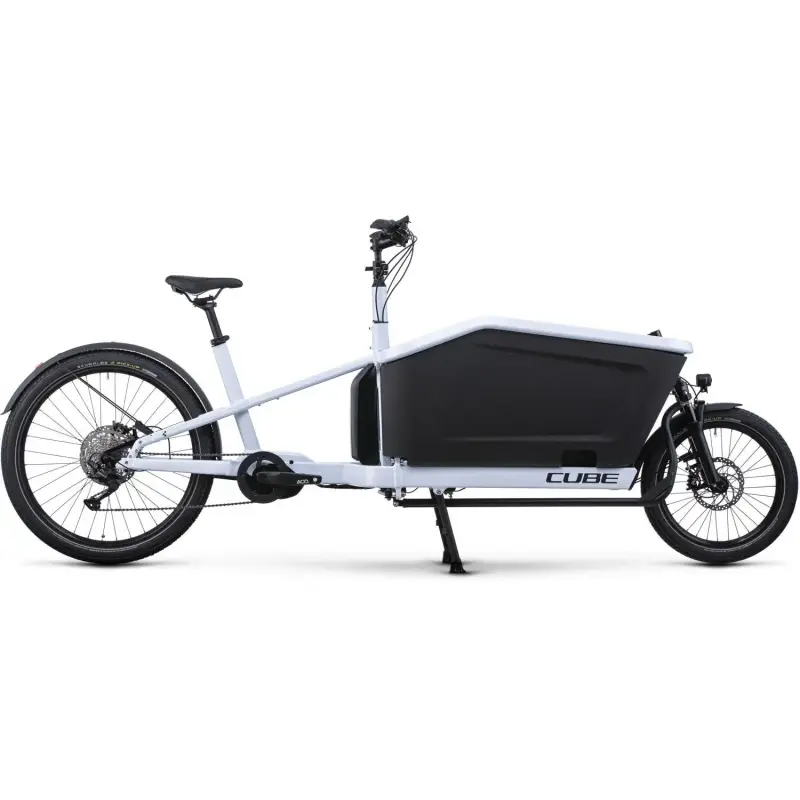
Child seats come in three main forms. A rear seat mounts on the rack or the frame behind the rider and suits children from about nine months to roughly 22 kg, depending on the model. A front seat sits between the rider and the handlebars and suits smaller children who like to see ahead. A cargo seat or bench on a longtail cargo bike suits older children and often carries two.
Rear seats are the most common choice for a standard e-bike. Whichever you pick, buy a seat designed for bicycles and look for compliance with the European child-seat standard, commonly EN 14344. A good seat has a harness, foot guards and spoke protection, and a high back with side support for sleeping children.
Always check state rules too. Some state authorities set a minimum age for carrying a child on a bicycle and specify the seat type. ACCC Product Safety: e-bikes and e-micromobility devices publishes product safety information that is a good starting point.
Frame and rack requirements
Not every bike can carry a seat. The frame must be strong enough, the rack must carry the load, and the battery should not obstruct the mount. Many standard racks are rated to around 25 kg, which can limit the seat and child combination. Frame-mounted seats often need a particular seat tube diameter, and carbon frames are usually unsuitable.
Before you buy, check the manufacturer's manual for the maximum rack load and the child seat compatibility. Our cargo bike range includes models built for heavier loads, and a rack with a built-in seat mount is far safer than clamping a seat to a basic rack.
Children grow quickly, so it also helps to plan ahead. A seat that suits a toddler may be outgrown in a couple of years, and many families move from a rear seat to a childs electric bike or a childs mtb once the child can ride alone. Our kids electric bike range covers that next step.
Helmets for small riders
Every rider, adult and child, should wear a properly fitted helmet. Helmets are compulsory for bicycle riders and passengers in every Australian state and territory. A child's helmet must fit snugly with the straps adjusted so that two fingers fit under the chin and the helmet sits level on the forehead.
Look for the AS/NZS 2063 sticker, which Standards Australia: AS/NZS 2063:2020 helmet standard explains in detail. Our helmet youth bike selection covers a range of sizes and designs. Remember that a child in a rear seat sits with their head slightly forward, so pick a helmet that is not bulky at the back, which can push the head into an awkward position.
Children who have outgrown the seat often want a bike of their own. Childrens electric bikes are built with smaller frames, lower power and speed limits, and they pair well with a family e-bike that carries the younger sibling.
Weight limits and balance
Weight changes how a bike handles. A child in a rear seat raises the load and moves the centre of gravity higher and further back. The bike may feel lighter at the front, and it can wobble at low speed. Practise with an empty seat or a bag of similar weight before you carry your child.
Always use the kickstand when loading and unloading, and never leave a child in the seat while you are not holding the bike. Choose a strong double-leg stand if you plan to carry a child regularly, because single-leg stands can tip when a child moves.
Take care with loose items. Bags, scarves and coat straps can catch in spokes, and a child's feet should always sit in the foot guards. Check clothing before each ride, and keep the child's legs away from the wheel and the brake discs.
Motor and battery for family trips
Extra weight demands more from the motor and the battery. For regular family trips, choose a battery of at least 500 Wh and a motor with good low-speed torque. Mid-drive motors tend to feel smoother at slow speed with a load. Hydraulic disc brakes give better stopping power than mechanical ones, which matters when you carry a passenger.
A basket or panniers help with the school bag, but keep weight low and balanced. Many parents also like bicycles with basket fittings at the front, though a heavy front basket affects steering, so keep the load light. If you often carry a child and shopping, a longer cargo bike is more stable.
If your child is older, children's bikes with 20- or 24-inch wheels are a good complement. A family often ends up with one carrying bike and one or more small bikes, and the e-bike is the one that lets the adult keep up on hills without struggling.
Checklist before the first ride
- Check the rack load rating and the seat weight limit.
- Confirm the seat fits your frame and the battery does not block it.
- Fit a harness, foot guards and spoke guards.
- Check that the child wears a helmet that fits.
- Practise with an empty seat, then with the child on a quiet street.
- Use a stand that holds the bike firmly when loading.
Work through the list with a second adult the first few times, and revisit it each season as your child grows.
If you plan to carry more than one child, or older children, consider a cargo bike. Our 3 wheel electric bicycle range and cargo bike options offer more stability and capacity than a standard frame with a seat added.
When you are ready to choose, the Cube Cargo Sport Dual Hybrid 1000 Electric Cargo Bike Flashwhite'n'Black is a good example of a bike built to carry loads. Add a quality seat from our seat e bike range, fit the right helmets and test the setup before you ride with your child. Browse the kids electric bike page if you also have an older child who wants a bike of their own.
An electric bike with child seat Australia parents choose should feel calm and predictable, not fast. Start slowly, keep the assist level low, and build up distance over a few weeks. Children enjoy the ride more when the adult is relaxed, and a steady pace helps them stay comfortable and safe.
Frequently asked questions
At what age can a child ride on a seat?
In most states a child may be carried in a seat designed for the purpose, provided the child wears a helmet and the seat fits the bike. Age and weight limits and exact wording differ by state, so check your road authority before you ride.
Does the e-bike need a special rack?
Many rear seats suit children from about nine months, when they can sit unaided and hold their head up in a helmet, up to roughly 22 kg. Always check the seat manufacturer's limits and your own state rules.
What helmet does my child need?
Not always. The rack must be rated for the seat and child weight, the frame must be compatible and the battery should not block the mount. Check the bike manual or ask the retailer before you buy a seat.
Is a trike safer for little ones?
Yes. A motor that provides smooth, predictable assistance makes it easier to start, stop and climb with the extra weight. Choose a bike with hydraulic disc brakes and a battery of at least 500 Wh.
How heavy can the child and luggage be?
Practise on a quiet street with an empty seat first. Fit the harness and helmet carefully, ride slowly at first, and plan routes with bike lanes or low traffic. Stop at once if the child seems uncomfortable.
Sources and further reading
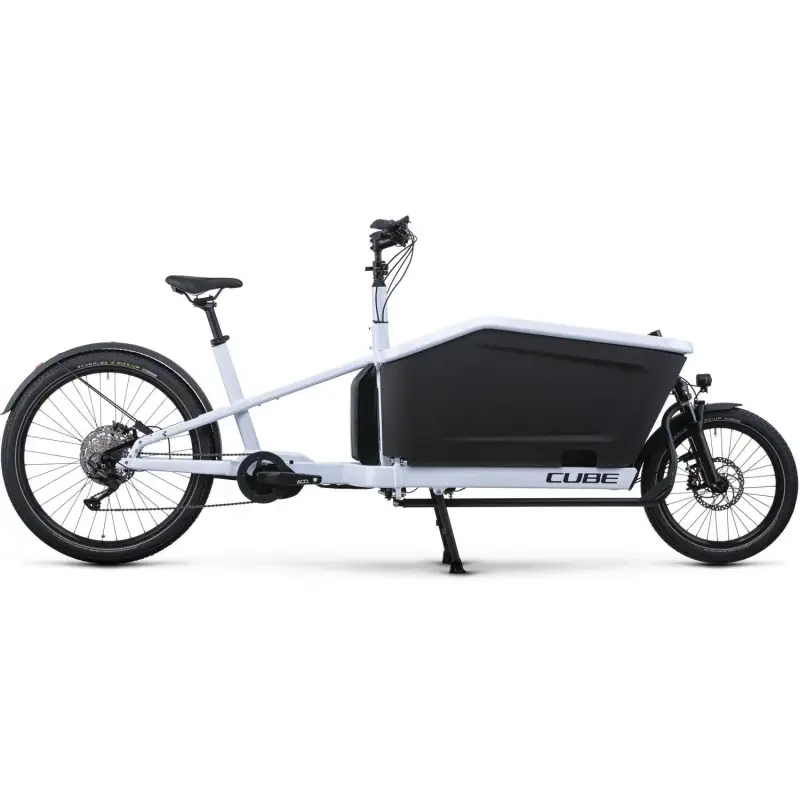
Cube Cargo Sport Dual Hybrid 1000 Electric Cargo Bike Flashwhite'n'Black
$6999 AUD • 250W EN15194 Street Legal