Helmet Youth Bike Guide: Kids & E-Bike Helmets and AS/NZS 2063 Explained
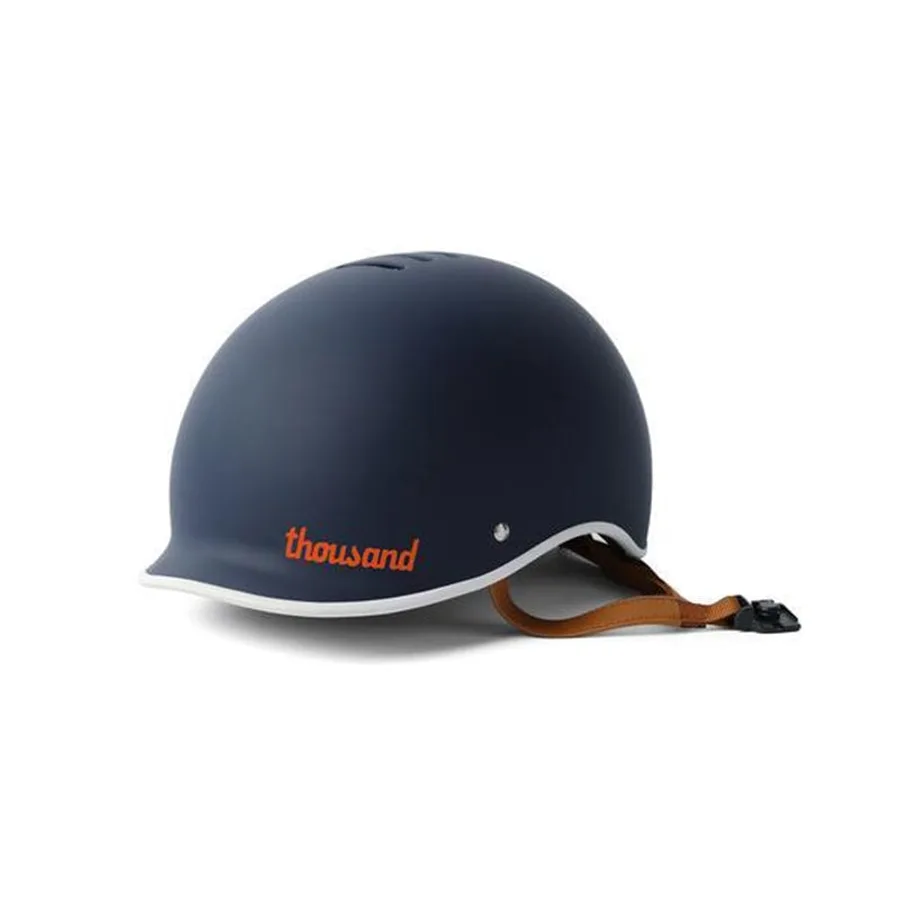
A helmet is the most important piece of kit you will buy for a youth bike or e-bike, and in Australia it is also the law. This guide explains what to look for in a helmet youth bike riders can trust: the AS/NZS 2063 certification, how to size and fit it, which features are worth paying for and when to replace it.
Are helmets compulsory in Australia?
Yes. Wearing an approved bicycle helmet is required for all bicycle riders in every state and territory, and that includes children, passengers and e-bike riders. Rules cover riders on roads and paths, so a helmet is a must for any youth bike, scooter or e-bike ride in a public place. Check your state road authority for the exact rules and penalties.
What does AS/NZS 2063 mean?
AS/NZS 2063 is the Australian and New Zealand standard for bicycle helmets. A helmet that meets it has been tested for impact absorption, strap strength and retention. Look for the standard marked on the helmet and its packaging before you buy, and treat any helmet without it as unsuitable. Check for the AS/NZS 2063 label yourself before you buy.
How to size and fit a youth helmet
A good fit matters more than any feature. Measure the head circumference just above the eyebrows, then match it to the sizing on the box. Then check:
- Level: the helmet sits flat and low on the forehead, about two fingers above the eyebrows.
- Side straps: they form a "V" just below each ear.
- Chin strap: snug enough that you can fit only one or two fingers between the strap and chin.
- Wobble test: with the strap done up, the helmet should not rock forward, back or sideways when the child shakes their head.
Features worth paying for
- Dial-fit retention: lets you fine-tune the fit as a child grows and keeps the helmet stable.
- Easy buckle: a buckle a child can fasten without pinching encourages them to wear it every ride.
- Rear light or reflective detail: improves visibility at dawn, dusk and on shared paths.
- Ventilation and light weight: a comfortable helmet is a helmet that actually gets worn.
- Visor: helps against sun glare and light rain.
Do e-bike riders need a special helmet?
For a standard EN 15194 e-bike limited to 25 km/h, a helmet certified to AS/NZS 2063 is the right choice. Searches for an "e bike helmet" or "electric bike helmet" often point to extended coverage at the back of the head, extra ventilation or built-in lights. Those are useful extras, but certification comes first.
When to replace a helmet
Replace a helmet after any significant impact, even if it looks undamaged, because the foam is designed to compress once. Also replace it when it is damaged, when the straps fray or when your child outgrows it. Many manufacturers recommend replacing a helmet every few years. Never buy a second-hand helmet when you do not know its history.
Quick checklist before every ride
- Helmet fits and the strap is done up.
- Lights and reflectors work.
- Tyres are firm and brakes respond.
- The child knows where they can and cannot ride.
Rules and prices change, so check your state road authority and the retailer before you buy.
Frequently asked questions
Do kids have to wear a helmet on a bike in Australia?
Yes. Approved helmets are required for all bicycle riders in every state and territory, including children and e-bike riders.
What is AS/NZS 2063?
It is the Australian and New Zealand standard for bicycle helmets, covering impact absorption, strap strength and retention.
How should a youth helmet fit?
It should sit level and low, two fingers above the eyebrows, with side straps forming a V below the ears and a snug chin strap.
Do I need a different helmet for an electric bike?
For a standard EN 15194 e-bike limited to 25 km/h, an AS/NZS 2063 certified helmet is the right choice. Extra coverage and lights are useful extras.
How often should I replace a bike helmet?
Replace it after any significant impact, when it is damaged, or when it no longer fits. Many manufacturers also recommend replacement every few years.
Sources and further reading
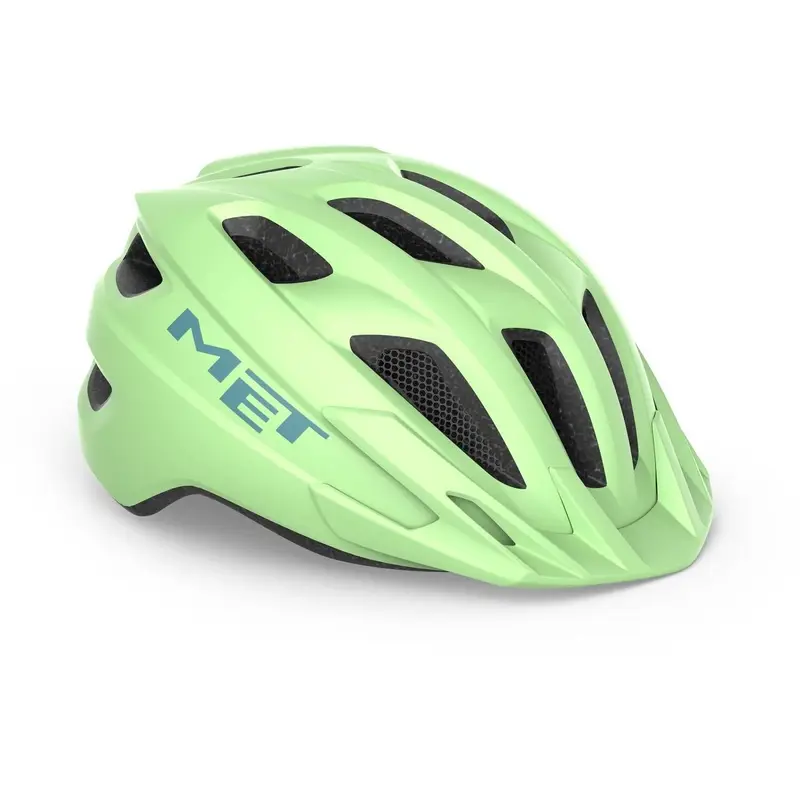
MET Crackerjack Kids Helmet Mint/Matt
$85 AUD • 250W EN15194 Street Legal