Lightweight Electric Bicycle Guide: What Light Really Means
A lightweight electric bicycle is easier to carry upstairs, load on a car, handle in traffic and ride on a long day, and it usually feels more like a normal bike. But light is relative: an e-bike always weighs more than a pedal bike because of the motor and battery. This guide explains what light means for e-bikes, how weight affects range and handling, which frames and parts help, how the weights in our range compare and what trade-offs to expect. If you want the lightest bike for a given budget, read the table and the trade-off section carefully.
Where a weight is not listed we say so, and we will confirm it from the maker on request. That way you compare real numbers instead of marketing words such as light, featherweight or agile.
Why e-bike weight matters
Most e-bikes weigh between about 20 and 30 kg, with very light road models under 15 kg and heavy fat-tyre or cargo bikes well above 30 kg. Weight matters when you lift the bike onto a rack, carry it up steps or ride with the assistance turned off. It also affects how the bike feels: a lighter bike accelerates and turns more easily, and uses less energy at a given speed. A lightweight electric bicycle is a balance of frame, motor, battery and components, and each one adds or saves a few kilograms.
If you are after the best lightweight electric bike Australia has to offer, define light for your own use. For some riders it means lifting a bike onto a rack, for others it means a bike that handles like a normal bike on a hilly commute. Our lightweight electric bike page lists commuter bikes in different weight classes, so you can compare them.
How light is light
Brands rarely publish weights consistently, so compare like with like. In our range, the Pedal Derby folding bike has a listed weight of 20.5 kg, the Cube Reaction Hybrid Performance 500 lists 24.1 kg and the Pedal Brewer lists 26 kg. Many listings do not state a weight, so ask us before you buy if it matters. The lightest ebike Australia retailers list is usually a road, gravel or folding model with a small battery. Our electric road bike australia page lists road and gravel e-bikes, which tend to be the lightest.
Think about lifting rather than the number. A 20 kg bike with a removable battery is easier to lift than a 19 kg bike with a fixed one, because you can take the battery out and split the load. Check whether the battery is removable and where the handles and top tube sit.
Frames and materials
Frames and components change weight. Aluminium frames are light and affordable, carbon is lighter and more expensive and steel is strong but heavy. Hub motors are usually lighter than mid-drives with large batteries, and a smaller battery saves weight at the cost of range. Tyres, wheels and suspension add weight too, so a lightweight e mountain bike will usually be a hardtail with a modest battery rather than a long-travel full-suspension bike. See our hardtail e mountain bike page for hardtails that balance weight and power.
Light road, gravel and trail options
There is always a trade-off between weight and range. A 250 Wh battery weighs about 2 kg, while an 800 Wh battery weighs about 4 kg or more, so a light bike usually has a smaller battery. If you ride short city trips, a small battery on a light bike is ideal. If you ride long or hilly routes, a heavier bike with a bigger battery will take you further with less worry. Choose the balance that suits your rides, and keep in mind that range figures are measured under ideal conditions.
Cold weather reduces range for every battery, but light bikes feel it less because they need less energy to move. If you ride in winter, charge the battery indoors and fit it just before you go, and keep the assist level modest. A little planning avoids a flat battery on a cold morning.
| Model | Brand | Price (AUD) |
|---|---|---|
| Merida eSilex 400 Electric Gravel Bike | Merida | $2,999 |
| Merida eSilex+ 600 Electric Gravel Bike | Merida | $3,999 |
| Pedal Derby Electric Folding Bike | Pedal | $1,899 |
| Cube Reaction Hybrid Performance 500 Electric Hardtail Mountain Bike | Cube | $2,999 |
| Pedal Clipper 2 Electric Hybrid Bike Grey | Pedal | $899 |
Prices are the current listed prices at the time of writing and can change. Check each product page for the latest price and stock.
The trade-off with battery size
Fold-up and compact bikes are the other way to save weight and space. A good lightweight fold up bike can be lifted onto a train or into a boot, and a pack of collapsible bikes lightweight enough for caravan use is a common request. The Pedal Dynamo 3 and Derby fold in half, and our e bike collapsible page lists the whole folding range. Note that very light folding bikes often have small batteries and short ranges, so check the listed range against your daily distance.
If you want one bike for both a commute and a weekend ride, a light hybrid is often the best compromise. It carries a rack for the week and rides well enough for fitness at the weekend, and its weight is easy to live with. Ask us which models are lightest in each class.
Lightweight e-bikes compared
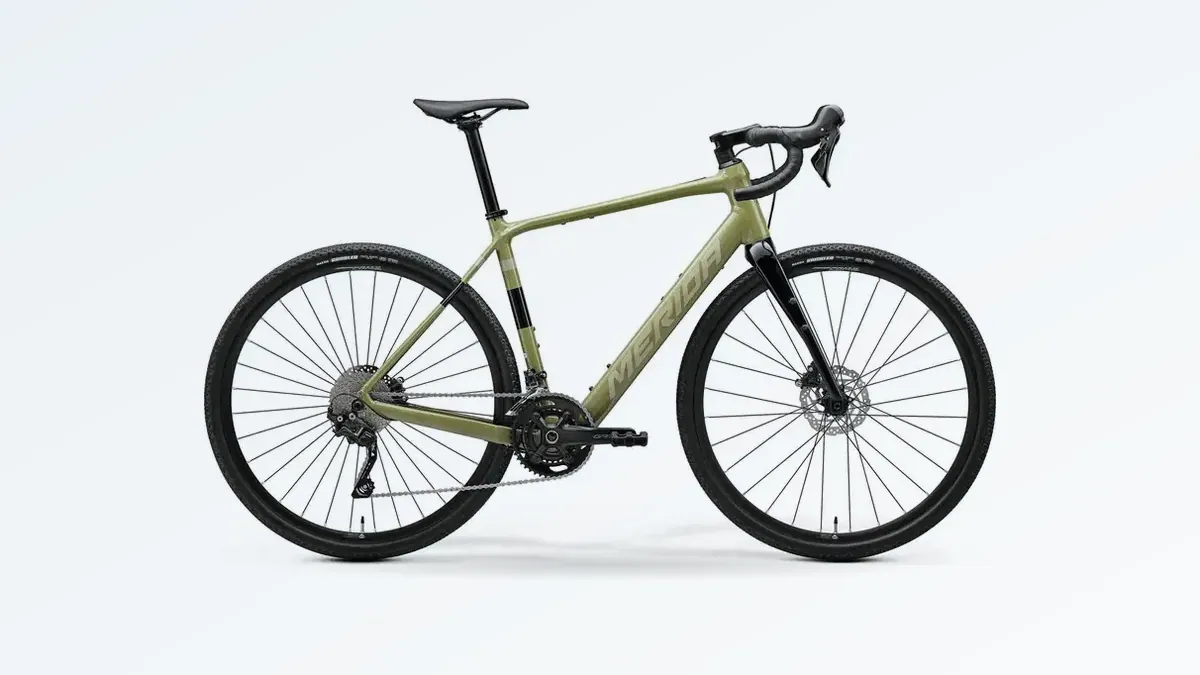
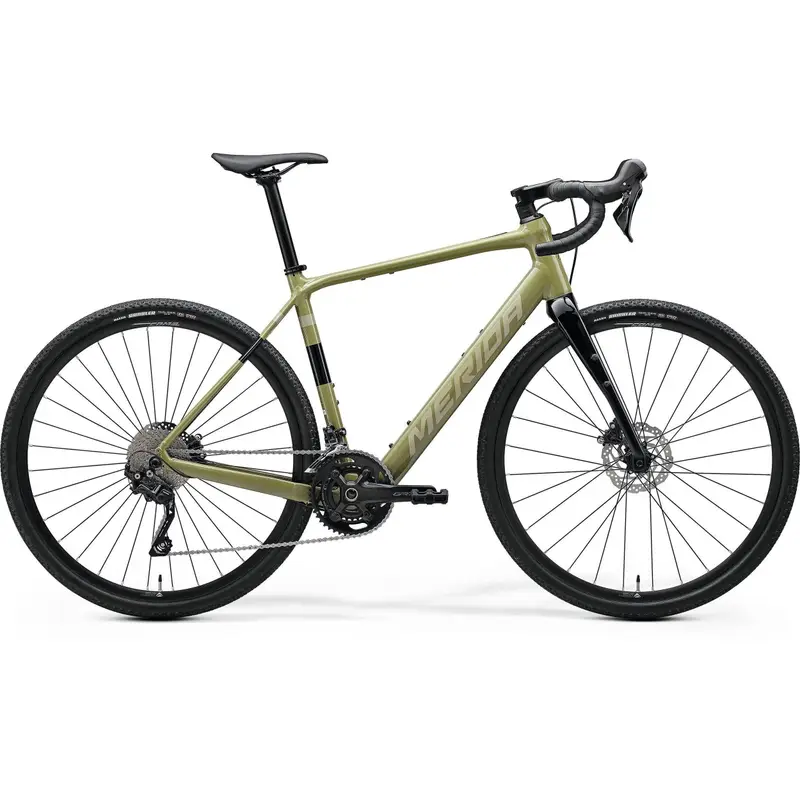
The table compares light and light-ish bikes in our range with their current prices. The embedded pick, the Merida eSilex 400 Electric Gravel Bike, is a road and gravel bike with a rear hub drive and a quiet, light feel. The Cube Reaction is a light hardtail with a Bosch mid-drive, and the Clipper 2 is the lightest-priced hybrid. Ask us for the weight of any bike before you order if it matters, because we can check the maker data. Prices change, so check each product page for the latest.
Lifting, storing and carrying tips
A few habits keep weight manageable. Remove the battery before lifting the bike, because it can take 2 to 4 kg off the load. Use both hands and bend your knees, and store the bike at ground level if lifting is hard. Keep tyres at the right pressure, because soft tyres feel heavy. A smaller battery pack suits many riders, and the battery for electric bicycle page lists options if you need a replacement. For more on the basic design of electric bikes, see Electric bicycle (Wikipedia), and Bicycle Network at Bicycle Network, Australia.
Finally, remember that a heavier bike is not a worse bike. A solid, stable e-bike with a large battery and strong brakes is a better choice for many riders than a light one with a small battery. Choose the weight that suits your use, not the lowest number on a chart.
A lightweight electric bicycle is easier to live with, but light means trade-offs in battery size and price. Decide how far you ride and how much you lift, compare the weights in the table and ask us for the numbers when a listing does not state them.
Frequently asked questions
How heavy is a typical e-bike?
Most e-bikes weigh between about 20 and 30 kg. Light road and gravel models can weigh less, while fat-tyre and cargo e-bikes often weigh well above 30 kg.
What is the lightest e-bike we sell?
Weight depends on the model and varies. Our listings state the weight where the maker supplies it, and the Pedal Derby folding bike lists 20.5 kg. Ask us if you want a specific number for another bike.
Does a light e-bike have less range?
It can. A light bike often has a smaller battery, which limits range, but it also uses less energy per kilometre. Choose a battery that suits your daily distance and the hills you ride.
Is a carbon frame worth it?
Carbon is lighter and stiffer than aluminium, but it costs a lot more. For most riders, a good aluminium frame is the better value and just as durable for everyday riding.
Can I carry an e-bike up stairs?
Take the battery out first to reduce the load, bend your knees and use both hands. If stairs are a daily need, consider a folding model or find ground-level storage for the bike.
Sources and further reading
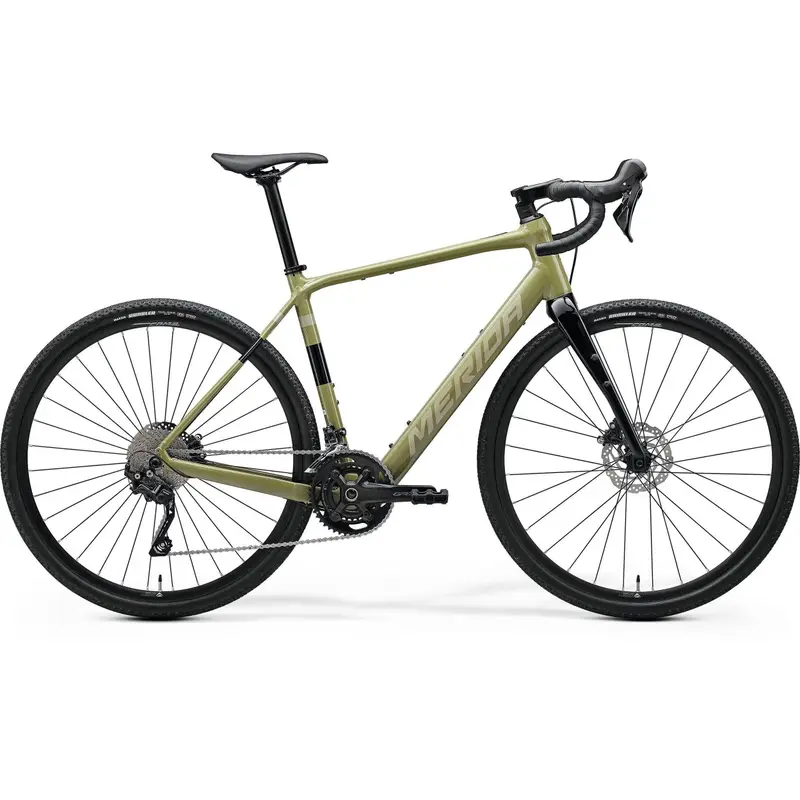
Merida eSilex 400 Electric Gravel Bike
$2999 AUD • 250W EN15194 Street Legal