Bike Computers for E-Bike Riders: GPS, Maps and Sensors
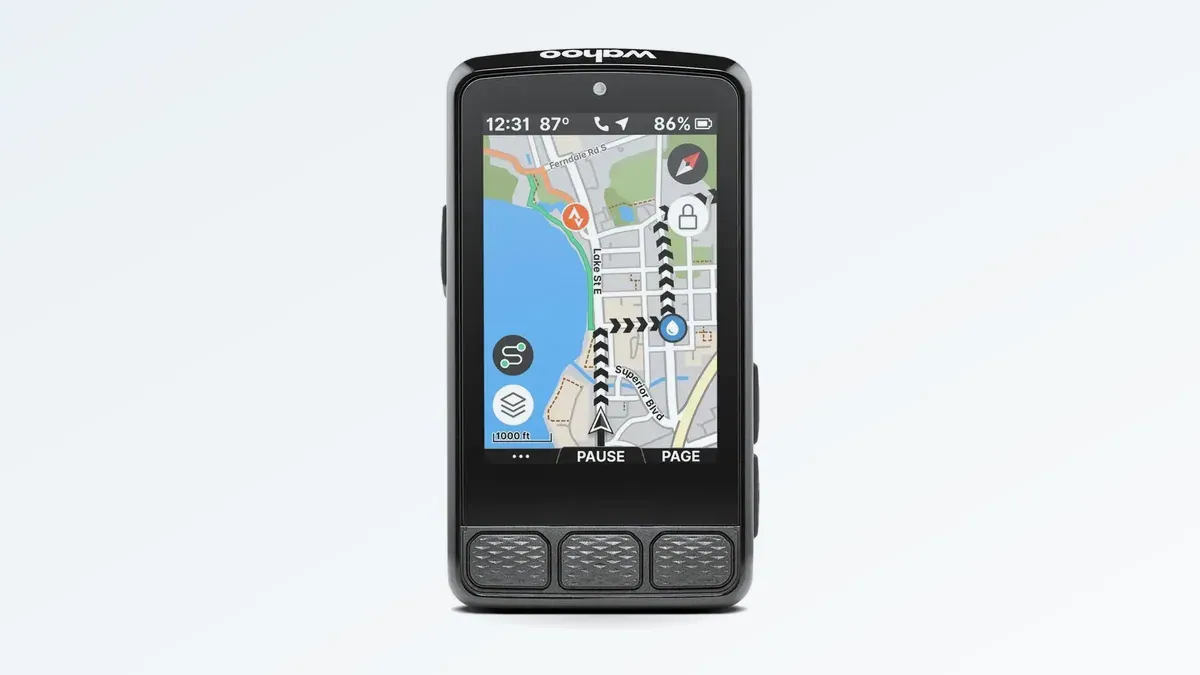
Bike computers turn any e-bike into a connected ride, with GPS navigation, speed, distance, climbing and heart rate on one screen that sits on your handlebar. If you ride beyond your own suburb, a dedicated device is easier to read in sunlight, lasts longer than a phone and survives rain and vibration better. This guide explains what a bike computer adds to an e-bike, how to compare GPS, maps, sensors and battery life, and which models in our range suit commuting, touring and trail riding. For most riders, the choice comes down to maps and screen size.
What a bike computer adds to an e-bike
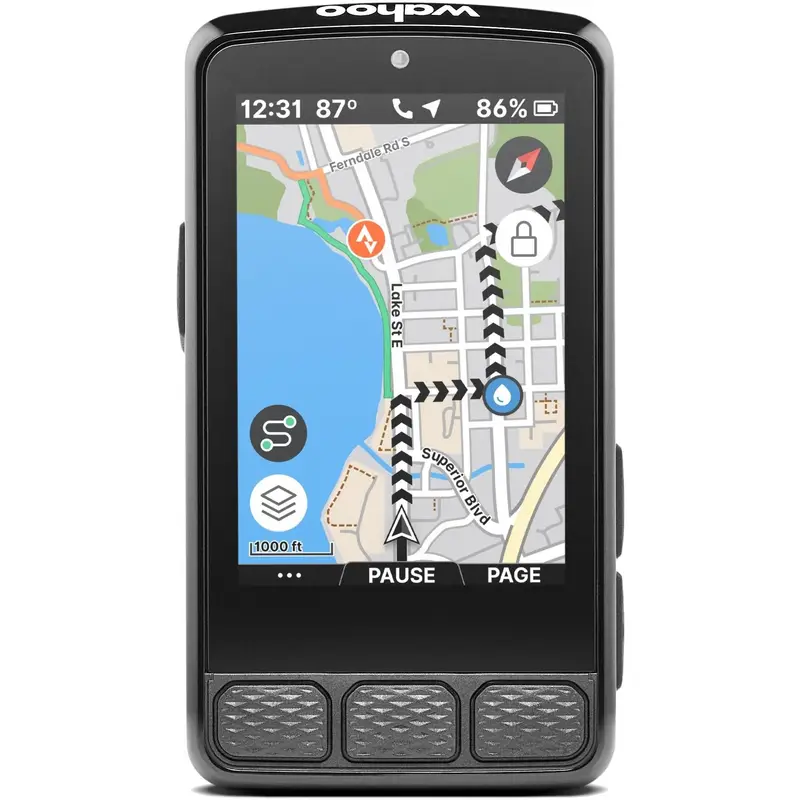
A good bike computer shows the basics at a glance: speed, distance, time and elevation. On an e-bike it also helps you plan battery use because you can see how far you have gone and how much climbing is left. Many models store maps for navigation, record rides for later and sync with apps such as Strava. Unlike a phone, the screen is built for sunlight and rain, and the battery can last 15 hours or more. The Wikipedia entry on the cycle computer is a neutral overview: Cycle computer (Wikipedia).
Most e-bike riders also like a computer for what it does not show: no notifications, no distractions and no worry about a flat phone. The screen stays on, the buttons work with gloves, and the device keeps recording even if the phone loses signal. That reliability is why serious riders rarely rely on a phone alone.
GPS, maps and navigation
Navigation is the main reason to buy. A bike cycling computer with maps lets you follow turn-by-turn directions, reroute when a path is closed and download routes planned at home. Look for bike-specific routing because it favours bike lanes and avoids busy roads. A bike computer with GPS and maps is a big upgrade on a basic model that only shows speed. Our electric gravel bike category lists gravel bikes where navigation makes unfamiliar roads far more fun.
When you compare a cycling bike computer for navigation, check how the maps are stored and updated. Some devices keep maps on board and need no phone signal, while others rely on the phone for routing. On-board maps are better for remote rides, and Wahoo and Garmin both support them.
Sensors: heart rate, power and radar
Sensors add detail. A heart rate strap shows effort, a cadence sensor shows pedalling speed, a power meter shows how hard you push and a radar warns of vehicles behind you. The Garmin Varia radar with tail light, for example, shows cars approaching on the computer screen and flashes the rear light as they get closer. These are optional extras, so start with GPS and add sensors when you want them. Our electric bike accessories page lists related gear.
Be selective with sensors, because each one adds cost, charging and set-up. A heart rate monitor is the cheapest way to track effort, a speed or cadence sensor helps with training, and a radar improves safety on busy roads. Power meters are the most expensive and are really for riders who follow structured training plans.
Battery life and mounting
Battery life and mounts are practical details that matter. Look for 12 hours or more of GPS use if you ride long days, and a mount that is secure on your bars and stem. Aero mounts and out-front mounts hold the device ahead of the bar and are popular because the screen is easier to see. If you use your e-bike for commuting, a computer that fits on a standard mount and charges by USB is the simplest choice, and it pairs well with an ebike for commute.
Weight and size also differ. A smaller screen is lighter and cheaper, while a larger one makes maps easier to read at a glance. If you wear glasses or ride fast, choose the bigger display and a bright, high-contrast screen, because squinting at a small map is both annoying and unsafe.
Phone or dedicated computer
A phone can do many of the same jobs, and a handlebar phone mount is cheap. The downside is battery drain, glare in sunlight, a fragile screen and rain damage. A dedicated device is built for those problems. If you only ride on short trips in good weather, a phone is enough. If you ride in all conditions or do long rides in the hills, a wireless bike computer is a worthwhile upgrade, and it pairs well with our electric mountain bike trails. Many riders end up using both: a phone for calls and a computer for riding.
Weigh the costs too. A good bike computer costs more than a phone mount, but it also saves wear and tear on your phone and keeps working when the phone battery is flat. If you ride a few times a week, the extra cost is quickly repaid in convenience and confidence.
Bike computers in our range
We stock a small range of bike computers and sensors. The Garmin Edge 1050 bundle and the Wahoo ELEMNT Roam V3 are the headline devices, the Garmin Varia RTL515 radar and the Garmin HRM 200 heart rate monitor add safety and fitness data, and the Magene TEO P515 is a power meter crankset for riders who want to measure effort. Prices are the current listed prices at the time of writing. The embedded pick, the Wahoo ELEMNT ROAM v3 GPS Bike Computer, is the lighter and simpler choice.
If you are choosing between the options, Garmin bike computers are well known for broad sensor support and training features, and the Edge 1050 bundle in our range is the top end for navigation and data. The Wahoo ELEMNT Roam V3 is simpler to set up and has clear maps, which suits riders who want fewer menus.
| Model | Brand | Price (AUD) |
|---|---|---|
| Garmin Edge 1050 Computer and Sensors Bundle | Garmin | $1,299 |
| Wahoo ELEMNT ROAM v3 GPS Bike Computer | Wahoo | $564 |
| Garmin Varia RTL515 Radar with Tail-light | Garmin | $289 |
| Garmin HRM 200 Heart Rate Monitor Black | Garmin | $119 |
| Magene TEO P515 Power Meter Crankset 172.5mm | Magene | $829 |
Prices are the current listed prices at the time of writing and can change. Check each product page for the latest price and stock.
Setting one up on an e-bike
Setting up is straightforward. Charge the device, pair it with your phone, load a map for your region and mount it on the bars. Calibrate sensors using the app, and test a short loop before a long ride. If you use an e-bike with its own display, treat the bike computer as a second screen for navigation, and keep the bike display for battery and assist level. Always wear a helmet that meets the Australian standard; see our helmet for a bike page for options. And keep the device out of sight when you park the bike.
Last, protect your investment. Take the computer off the mount when you lock the bike, update the firmware occasionally and keep a spare charging cable in your bag. Small habits keep a device working for years.
Bike computers make every e-bike ride more useful, from a daily commute to a weekend adventure. Pick one with the right maps and battery life, add sensors when you need them, and mount it where you can see it at a glance. Compare the options in the table and start with the device that matches your longest regular ride. For more on rules and gear for riders, see the guide from Bicycle Network, Australia.
Frequently asked questions
Do I need a bike computer on an e-bike?
Not strictly, but it helps. A computer shows distance, speed and navigation without draining your phone, which is useful on long rides and in bad weather. Many e-bikes also have a basic display for assist level and battery.
Garmin or Wahoo: which suits e-bike riders?
Both are excellent. Garmin devices have strong sensor and training support, while Wahoo is known for a simple interface and clear maps. Choose on screen size, price and the app you prefer.
How long does a bike computer battery last?
Many devices last 12 to 24 hours of GPS recording, depending on screen brightness and sensors. Check the listed battery life for the exact model and plan a charge before a long ride.
Can a bike computer show e-bike battery level?
Some devices connect to certain e-bike systems, but it depends on the motor brand and model. Check compatibility before you buy, and keep the bike display for battery and assist if the computer cannot show them.
Is a phone enough for navigation?
A phone is fine for short, fair-weather rides. For long rides, rain, sunlight and battery life, a dedicated bike computer is more reliable, easier to read and kinder to your phone battery.
Sources and further reading
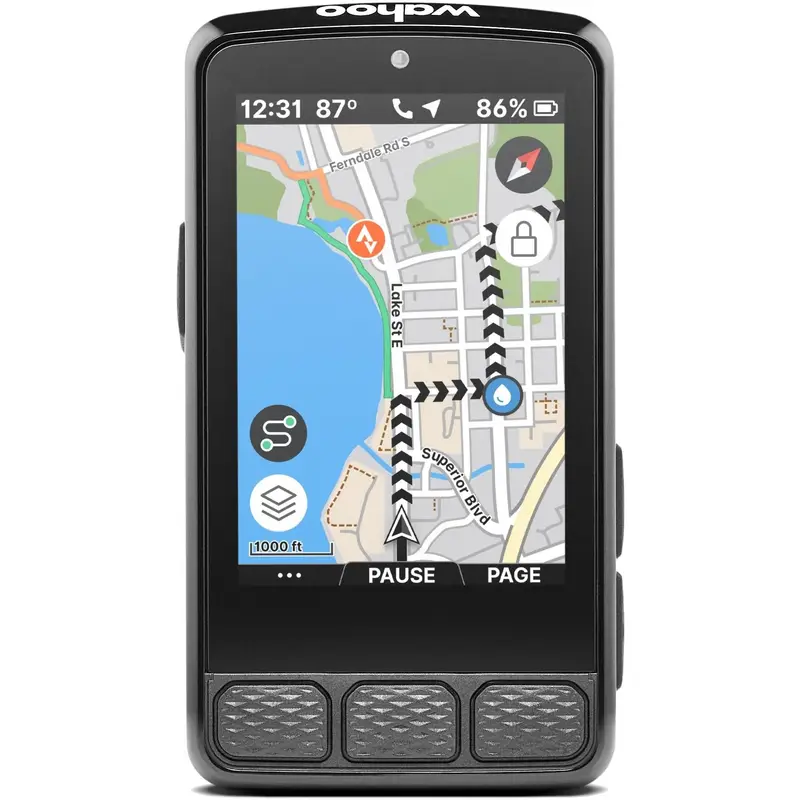
Wahoo ELEMNT ROAM v3 GPS Bike Computer
$564 AUD • 250W EN15194 Street Legal