E Mountain Bike Guide: Hardtail vs Dual Suspension
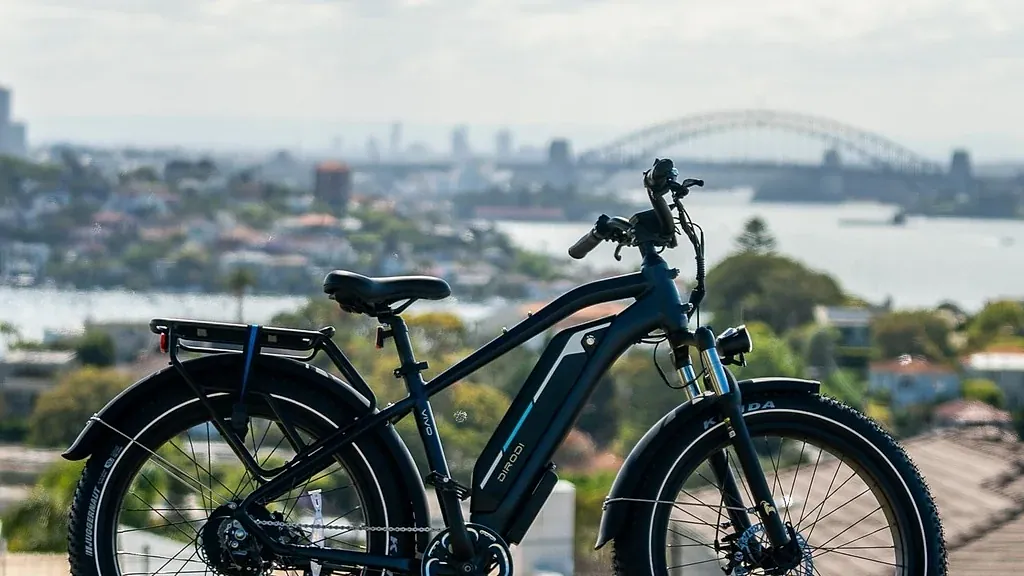
An e mountain bike lets you climb longer, ride further and enjoy more descents in the same afternoon. The motor does the hard work uphill, so you arrive at the top with energy left for the fun part. This guide explains the choice between hardtail and full suspension, what torque and battery size mean for climbing, how wheel size and travel change the ride, how the main mid-drive motors compare, what trail access looks like in Australia, and how to look after your bike after muddy rides. It finishes with a table of e-mountain bikes and current prices.
Hardtail or full suspension?
A hardtail has suspension at the front only. It is lighter, simpler and cheaper, and it suits fire roads, rail trails and smoother singletrack. A full-suspension bike, also called dual suspension, has a rear shock as well. It costs more and needs more maintenance, but it keeps the wheels on the ground over roots and rocks and reduces fatigue on long, rough rides.
If you ride mostly gentle terrain or want to keep costs down, our electric hardtail mountain bike range is the sensible place to start. If your local trails are technical, a dual suspension electric mountain bike will give you more control and confidence. Many mountain bikes in the e-bike class are heavier than their pedal-only cousins, so a plush rear end is often worth the extra weight.
A good rule is to buy for the riding you do most often, not the riding you might do one day. Most owners spend more time on moderate trails than on the biggest descents.
Climbing: torque, gearing and battery
Climbing is where an electric mountain bike earns its keep. Torque, measured in newton metres (Nm), tells you how hard the motor can push. Mid-drive motors commonly quote between about 50 and 85 Nm, which is enough for steep, loose climbs. Gearing matters too: a wide cassette lets you keep a steady pedalling rate while the motor does the work.
Battery size sets how far you can climb. A 500 Wh battery suits a morning on moderate trails. A 625 to 800 Wh battery covers a long day or steeper terrain. Remember that low assist levels extend range, and that cold weather and heavy riders use more energy.
Learn to use the assist levels. Riding in a lower mode on flat sections and switching up on steep pitches keeps the battery for the climb, and it keeps the ride feeling natural rather than just fast.
Wheel size and travel
Most modern mountain e bike frames use 27.5-inch or 29-inch wheels, and some use a mix. A 29-inch wheel rolls over obstacles more easily and holds speed, while a 27.5-inch wheel is easier to manoeuvre and suits smaller riders and tight terrain.
Travel is the amount of suspension movement. Trail bikes with about 130 to 150 mm of travel suit most riders, and enduro bikes with 160 mm or more are built for steep, technical descents. More travel is not always better, because it can feel heavy and slow on mellow trails.
Frame size is as important as travel. A bike that is too large is hard to control on steep descents, and one that is too small feels cramped on climbs. Check the manufacturer's size chart and ride a size up and down if you can, because many mtb bikes have a short reach that suits shorter riders.
Mid-drive motors compared
The motor is the heart of an e-MTB. Established mid-drive systems, such as those from Brose, Bosch and Shimano, are designed for trail riding and give natural, progressive assistance. They integrate with the frame and the battery, and they are supported by dealers and service networks.
When you compare bikes, look at the motor name, the torque figure and the battery capacity. Read how the motor responds when you pedal lightly or hard, because a natural feel is more useful than a high peak power figure. Brose eBike systems describes the systems that power many of the bikes we stock, and Pedelec (Wikipedia) explains the pedal-assist idea in more detail.
Servicing is part of the picture. Mid-drive systems from established makers are supported by local dealers, and software updates can improve behaviour over time. Hub motors are simpler and cheaper to service, but they are usually found on entry-level bikes.
Trail access and etiquette in Australia
Trail access varies a lot by state and by land manager. Some national parks and council trails allow e-mountain bikes, while others restrict them or ban them. Many shared paths allow e-bikes that meet the 250 W standard, but you should always check the rules before you ride.
Wherever you ride, give way to walkers and horses, slow down around corners and stay on marked trails. A bell and a friendly greeting go a long way. Wear a certified helmet, and see our helmet for a bike range for options that fit trail riding, including full-face designs for steeper terrain.
If you plan to travel with the bike, check that your car rack can carry the extra weight. Many e-MTBs weigh 22 to 28 kg, and a platform rack that supports wide tyres is safer than a roof rack.
Maintenance after muddy rides
Mud and water are hard on a bike. After a muddy ride, rinse with a gentle hose, avoiding bearings and the motor housing, and dry the chain before you lube it. Check the brake pads and discs, because wet grit wears them quickly. Look over the frame for cracks or damage, especially at the rear shock mounts.
Battery care matters too. Wipe the contacts, store the pack at room temperature and charge it away from heat. A service by a qualified mechanic once a year keeps the suspension, the motor and the drivetrain in good condition. Spare parts are listed in our electric bike parts range.
E-mountain bikes compared
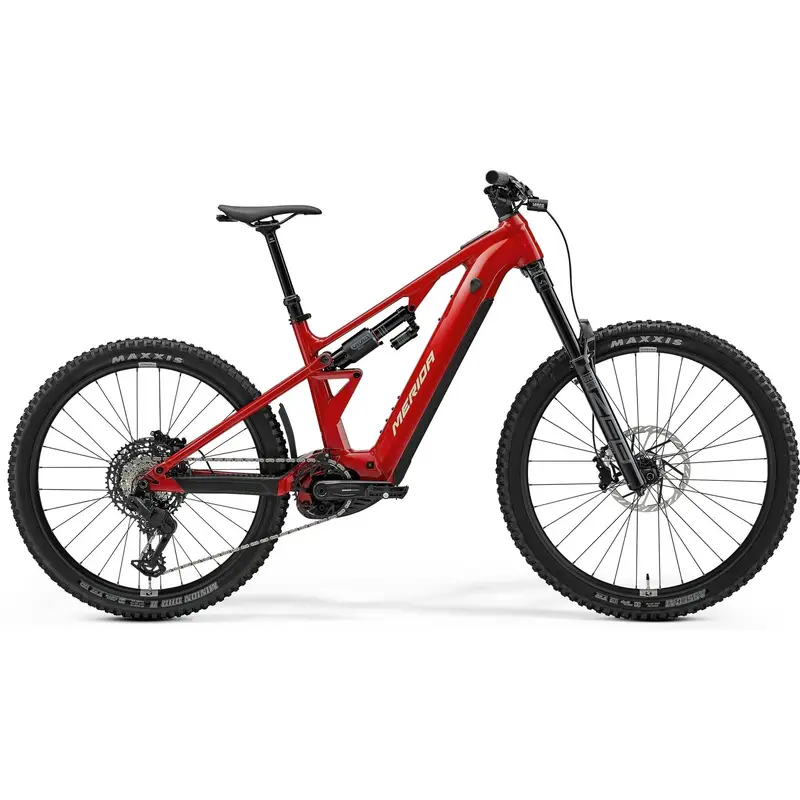
The table below lists a spread of e-mountain bikes from our range, from an entry-level hardtail to a premium enduro model. The Merida eOne-Eighty 700 Electric Enduro Bike Heritage Red/Brown is at the top of the list and suits experienced riders who want the best frame, suspension and motor.
If you want an e mtb that is more affordable, the Pedal models are a good start. For mid-priced mountain bikes with a trusted brand, the Cube and Merida ranges sit in the middle. Compare the battery, travel and brakes, and remember that low priced mountain bikes still need a good battery and brakes. Our emtb australia page lists the full range.
| Model | Brand | Price (AUD) |
|---|---|---|
| Pedal Coyote 3 Electric Hardtail Mountain Bike Satin Anthracite | Pedal | $1,599 |
| Pedal Lynx 3 Electric Hardtail Mountain Bike | Pedal | $2,145 |
| Cube Reaction Hybrid Performance 500 Electric Hardtail Mountain Bike | Cube | $2,999 |
| Merida eOne-Forty 400 Electric Trail Bike Gunmetal Grey/Black | Merida | $4,498 |
| Merida eOne-Sixty 400 Electric Enduro Bike | Merida | $4,477 |
| Merida eOne-Eighty 700 Electric Enduro Bike Heritage Red/Brown | Merida | $6,953 |
Prices are the current listed prices at the time of writing and can change. Check each product page for the latest price and stock.
Whatever you choose, take a test ride if you can. An e mountain bike should feel natural, stable and fun, and the right frame size matters more than any single specification. Check the warranty, ask about service support and take your time to choose a bike that will bring you years of enjoyable riding.
Frequently asked questions
How steep a hill can an e-MTB climb?
A hardtail is cheaper, lighter and simpler, and it suits fire roads and smooth trails. Full suspension is better on rough, technical terrain and long rides. Choose based on where you ride most.
What battery size is enough for a day ride?
It depends on the bike, but many riders use between about 500 and 800 Wh. A larger battery gives more range on steep or long rides, while a smaller one suits shorter outings and keeps weight down.
Do I need dual suspension?
Not always. Rules depend on the state, the land manager and the trail. Many shared paths allow e-bikes that meet the standard, but some parks and trails restrict them, so check before you ride.
Are e-MTBs allowed on all trails?
Rinse gently, dry the chain, check the brake pads and look over the frame. Avoid pointing a hose at bearings or the motor, and store the battery in a cool, dry place.
How often should I service the motor?
Yes, a quality helmet is essential and compulsory. Consider gloves, eye protection and knee pads for technical trails, and choose a helmet with extended coverage for steeper terrain.
Sources and further reading
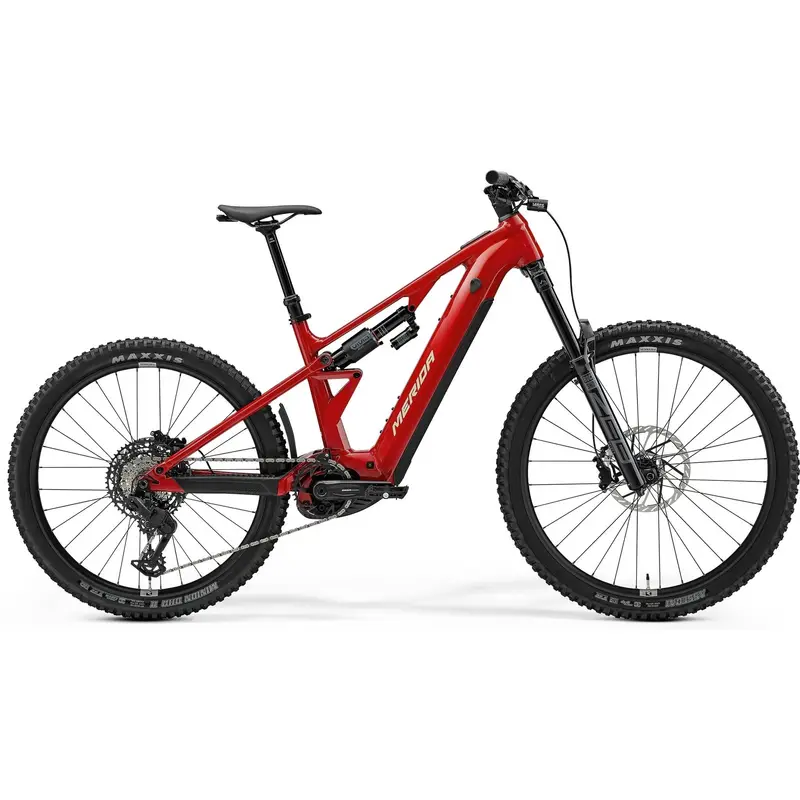
Merida eOne-Eighty 700 Electric Enduro Bike Heritage Red/Brown
$6953 AUD • 250W EN15194 Street Legal