Fat Tire Ebike Guide: Sand, Gravel and City Riding
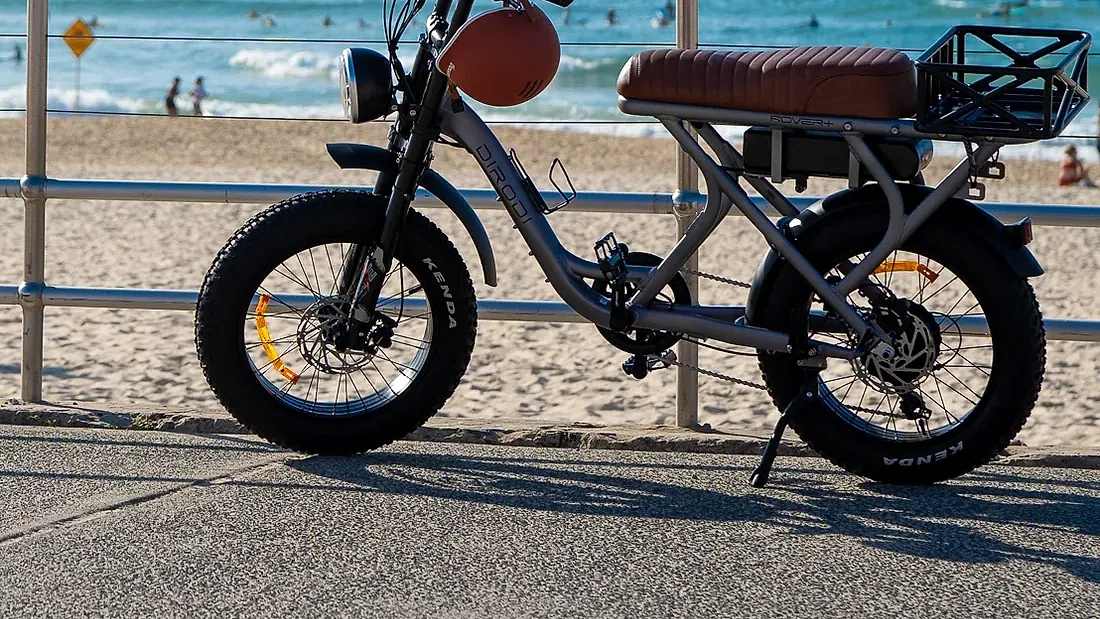
A fat tire ebike has wide, low-pressure tyres that float over sand, grip on gravel and soak up bumps in the city. It looks like a fat bike with a motor added, and it feels like a small adventure every time you ride it. This guide explains what fat tyres do well and where they cost you, how to ride on sand, how to set tyre pressure, what to expect on weight and range, and whether a fat bike is too much for city use. It also compares the fat-tyre models you can buy in Australia now.
What fat tyres do (and cost you)
Fat tyres are typically four inches wide or more, compared with about two inches on a normal mountain bike. The extra volume lets you run low pressure, which spreads the load and improves grip on soft surfaces such as sand, mud and loose gravel. The tyre also acts as a cushion, so rough ground feels smoother.
The costs are weight, rolling resistance and handling. A fat bike is heavier than a standard e-bike and slower to accelerate. The motor offsets this, but you will use more battery on tarmac than you would on a narrow-tyre bike.
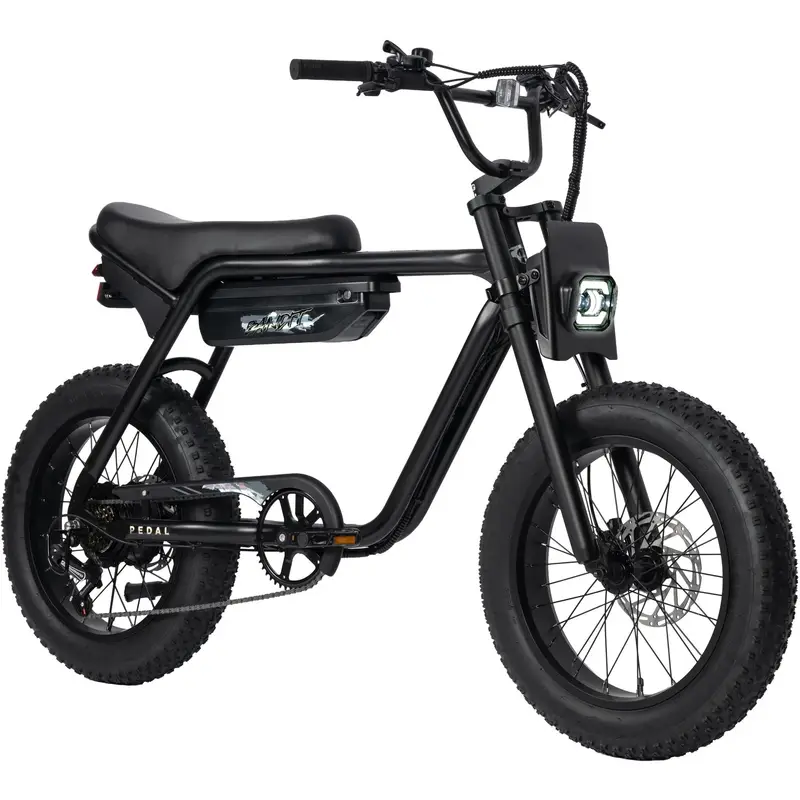
The category also covers a wide spread of builds. A fat bike bicycle can be a nimble 20-inch city bike or a 26-inch adventure machine, and fat bike bikes at the higher end add suspension and mid-drive power. Knowing which end of the range you want makes the shortlist much shorter.
Beach and sand riding tips
Sand is the classic fat bike surface, but not every beach is open to bikes. Some councils ban cycling on beaches or limit it to certain times, so check local rules before you ride. Firm, wet sand near the waterline is far easier than soft dry sand. Ride at low tide where possible, keep a steady pace and use a lower gear.
Tyre pressure is the biggest factor. On soft sand, riders often run well under 10 psi, while on harder ground they run higher. Start low, test and adjust. Rinse the bike with fresh water after every beach ride to protect the chain and bearings from salt.
Beach etiquette matters too. Give way to pedestrians, avoid nesting areas and dunes, and stay on marked tracks wherever possible. A heavy bike can leave deep tracks in soft sand, so ride on firm ground and leave the beach as you found it.
Tyre pressure and puncture protection
Pressure matters in the city too. Run higher pressures on tarmac for lower rolling resistance and less wear, and lower pressures on trails and sand for grip. A pressure gauge is a cheap and useful accessory, because a fat tyre feels firm even when it is underinflated.
Puncture protection is worthwhile if you ride gravel, thorns or glass. Tubeless setups, sealant and puncture-resistant liners reduce flats. Carry a pump and a spare tube, and learn to fix a flat before you need to.
Wider tyres also grip better on wet roads, painted lines and tram tracks, which makes a fat bike a good all-weather commuter. Lower pressures also improve comfort over potholes and cracked paths.
Weight and storage
Fat bikes are heavy, often 25 to 30 kg or more. That affects how easy the bike is to lift onto a car rack or carry up steps. Check the rack rating and use a rack that supports wide tyres.
For storage, a wall hook or ground anchor keeps it tidy and secure. If you need to carry the bike in a vehicle, a fold-down rack or a ute tray is often easier than a roof rack. Plan before you buy, because many people overlook storage with a bike this size.
It is also worth checking how much weight the bike can carry. Fat bikes designed for larger riders often have stronger wheels and frames, which increases the maximum load but also the bike's weight.
Motor and battery for heavy bikes
A heavy bike needs a strong motor and a large battery. Look for at least 468 Wh, and ideally 500 Wh or more, plus a motor with good torque. Our electric bike battery range includes replacements, and you should also check that the battery is secure and weatherproof.
Brakes matter even more. Hydraulic discs give far better control on steep descents and in wet conditions. Check that the bike has large rotors and four-piston calipers if you plan to ride hilly terrain. Range figures drop on soft ground, so allow a margin.
Remember to keep an eye on tyre wear. Fat tyres wear differently from standard ones, and soft compounds grip well but wear faster on tarmac, so replace them before they get too thin.
City use: is a fat bike too much?
A fat tire e-bike is not just for sand. In the city its stability and comfort make it a good choice for bumpy roads, tram tracks and wet days. The wide tyres give confidence on wet leaves and uneven paths.
It can feel big in traffic and awkward in tight spaces, but many riders enjoy the upright position and the sense of control. If you want a fat-tyre bike that is more at home on the street, consider a cruiser style. Our fat tyre electric bicycle page lists the range, and our ebikes brisbane page lists local stock and delivery for Queensland riders.
Many riders also use fat bikes for commuting in winter, when ice or snow in colder regions makes grip essential. In most of Australia the main attraction is comfort, though a few alpine routes make good use of the extra traction.
Fat tyre e-bikes compared
We stock several fat-tyre models, from a compact 20-inch bike to larger Dirodi Rover models. The Pedal Bandit 20" Electric Fat Tyre Bike is the compact option that suits smaller riders and city use, while the Dirodi Rover bikes sit at the top of the price range. The table shows current prices, and each product page lists the specifications.
If you want to compare a fat bike with a conventional trail bike, our ebikes mountain range is the place to start. For safety gear, browse electric bike accessories. For general information on this type of bike, see Fatbike (Wikipedia), and for WA riders, the WA Department of Transport publishes local rules.
If you are not sure, a test ride is the best answer. The bike feels very different from a standard e-bike, and you will know within a few minutes whether it suits you.
| Model | Brand | Price (AUD) |
|---|---|---|
| Pedal Bandit 20" Electric Fat Tyre Bike | Pedal | $1,299 |
| Pedal Brewer Electric Cruiser Bike Reef Blue 468Wh | Pedal | $1,299 |
| Pedal Brewer Electric Cruiser Bike 560Wh | Pedal | $1,899 |
| DiroDi Rover Gen 6 250W Electric Fat Bike Matte Black 2027 | Dirodi | $2,479 |
| Dirodi Rover Pro 250W Electric Fat Bike | Dirodi | $3,259 |
Prices are the current listed prices at the time of writing and can change. Check each product page for the latest price and stock.
A fat tire ebike is a versatile, fun and stable bike. Think about where you will ride, how you will store it and how much weight you can handle. Choose a bike with a strong battery, good brakes and local support, and you will have a machine that turns every ride, from the shops to the sand, into an adventure.
Frequently asked questions
Can a fat tyre e-bike ride on sand?
Yes, but rules vary. Many councils ban cycling on certain beaches or at certain times, so check the local rules first. Firm, wet sand is much easier to ride than soft dry sand.
What tyre pressure should I run?
Low pressure helps on sand, often well under 10 psi, and higher pressure is better on tarmac. Experiment in small steps and use a gauge, because a fat tyre feels firm even when underinflated.
Are fat e-bikes slower?
Fat bikes are heavier and have more rolling resistance, so range is usually lower than a standard e-bike with a similar battery. Choose a battery of at least 468 Wh and allow a margin on soft ground.
Do they need special racks and mudguards?
They can be a good city bike if you want comfort and stability on rough streets. The extra weight and width are the trade-offs, so think about storage and parking.
Are fat tyre e-bikes legal on bike paths?
Rinse the bike with fresh water, dry the chain and apply lube after every beach ride. Salt is hard on bearings, bolts and electrical connections, so regular cleaning extends life.
Sources and further reading
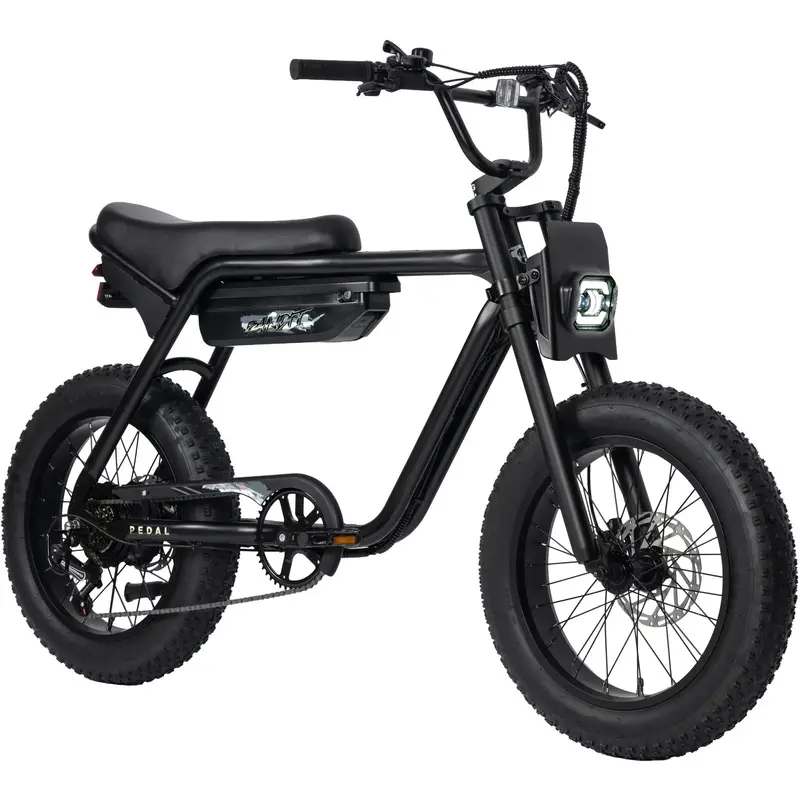
Pedal Bandit 20" Electric Fat Tyre Bike
$1299 AUD • 250W EN15194 Street Legal