E Bike Motor Guide: Hub vs Mid-Drive Explained
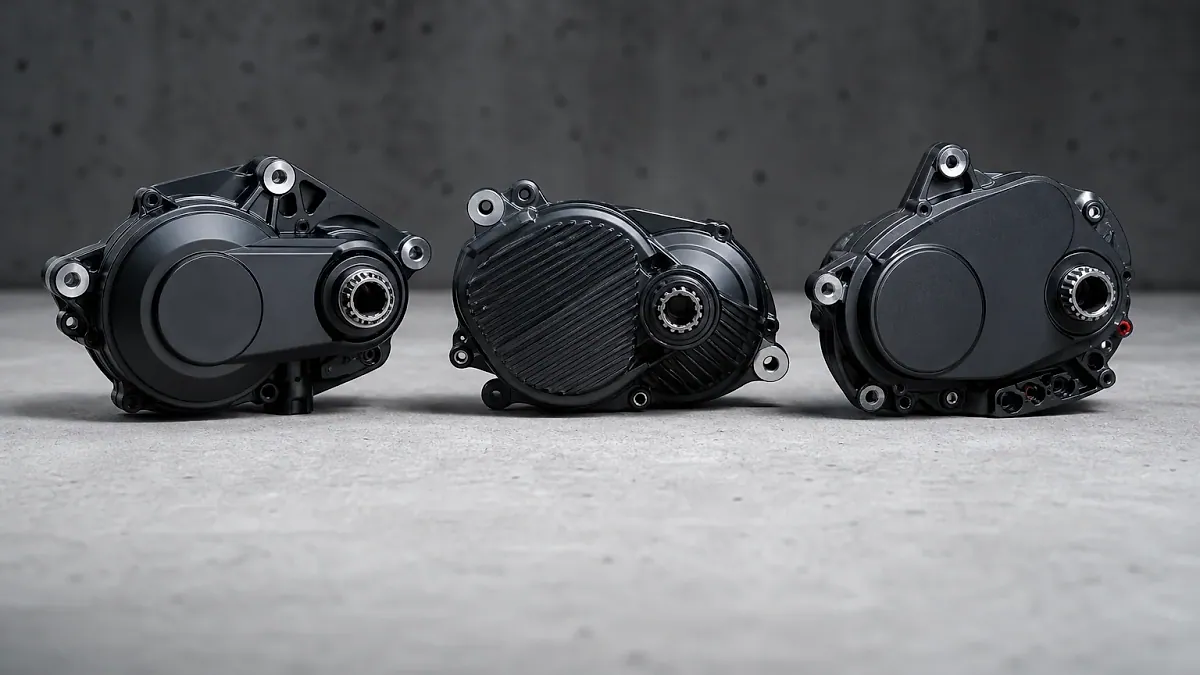
The e bike motor is the part that makes an electric bike feel the way it does. It decides how smooth the assistance is, how well the bike climbs and how much you pay. There are two main types, hub and mid-drive, and each suits a different rider. This guide explains how a motor works, the pros and cons of each type, what torque in newton metres means on hills, which brands you will see on the market and how to match a motor to your riding. It ends with a short section on motor care and the warranty questions worth asking.
Understanding the terms makes shopping easier. Watts describe sustained power, newton metres describe pulling force and watt-hours describe energy in the battery.
How an e-bike motor works
An electric bicycle motor assists your pedalling. A sensor detects that you are pedalling, either by measuring cadence or by measuring how hard you push, and the controller sends power from the battery to the motor in proportion. In Australia a legal pedal-assist bike has a continuous rated power of 250 W, and the assistance cuts out at 25 km/h.
The motor, the controller and the battery form a system. A cycle motor that is well matched to the controller and the battery feels smooth and natural, while a mismatched one can feel jerky. This is why most good bikes use a complete system from one maker.
You may also see the term electric cycle motor used for the same device, and the e bike motors in popular systems all work on the same principle: sense the rider, deliver measured power and cut out at the limit.
Hub motors: pros and cons
A hub motor sits in the centre of the front or rear wheel. It is simple, quiet and cheap to make, which is why you see it on most entry-level and mid-priced bikes. A rear hub pushes the bike along like a scooter, and it does not use the bike's gears, so there is less wear on the chain and cassette.
The trade-offs are weight distribution and hill performance. A hub puts weight at the wheel, and it can struggle on long, steep climbs because it cannot use gears to stay at its best speed. A geared electric bicycle hub motor is lighter than older direct-drive designs and handles most commutes well. See our e bike with motor range for bikes that use these systems.
Direct-drive hubs are heavier and can offer regenerative braking, but they add unsprung weight. Geared hubs are lighter and more efficient at typical speeds, and most modern commuter bikes use them.
Mid-drive motors: pros and cons
A mid-drive motor sits at the bottom bracket, between the pedals. It drives the chain, so it uses the bike's gears, which lets the motor stay in its efficient range on hills. It puts weight low and central, which improves handling, and the bike feels more like a normal bicycle with extra legs.
The costs are price and wear. Mid-drives are more expensive and put more load on the chain, cassette and chainring, so you will replace those parts sooner. They are the preferred choice for mountain bikes and for heavy cargo bikes, where handling and hill climbing matter. Our ebike mtb range uses mid-drive systems, and many electric cargo bicycle models use them for heavy loads.
Mid-drive motors also suit riders who change gear often. Because the motor works through the gears, riding in a lower gear on a steep hill keeps the motor spinning near its best speed and the battery lasts longer.
Torque (Nm) and why it matters on hills
Torque measures the twisting force from the motor. More torque means stronger acceleration and hill climbing. Hub motors typically quote around 40 to 60 Nm, while mid-drive systems often quote 50 to 85 Nm. But the number is only part of the story, because gearing, rider weight, tyre choice and battery voltage all matter.
For flat commuting, 40 Nm is plenty. For steep hills or loaded cargo bikes, look for a mid-drive with at least 60 Nm. If you are comparing two bikes, ask how each feels on a hill, not only what the spec sheet says.
Torque also depends on how the motor delivers it. Some systems give a smooth rise and others give a sharp kick, and the feel on a steep, loose climb is very different from a smooth road.
Brands you will see: Bosch, Brose, Shimano, Bafang
You will see a handful of names on quality bikes. Bosch, Shimano and Yamaha are major mid-drive makers. Brose makes quiet, smooth mid-drives that are used on many European bikes, and Brose eBike systems gives an overview of its range. Bafang is a large maker of hub and mid-drive motors found on many bikes and kits, and its range covers most price points. The hub motor overview on Wikipedia explains how that motor type works.
The brand is a signal of support, spare parts and software updates, not just performance. A bike with an established motor is easier to service, and replacement parts are easier to find. For a plain-language overview of how motors work, see Pedelec (Wikipedia).
If you are shopping for a spare or want to compare, an electric motor for bike conversions is often a generic hub or mid-drive from a maker such as Bafang. Check the power rating, because anything above 250 W continuous is not a standard legal bike.
Which motor suits your riding
Match the motor to your route. For flat commutes and short trips, a hub motor is reliable, quiet and good value. For hills, trails and heavy loads, a mid-drive is worth the extra cost. For occasional use and light riders, a modest hub on a lightweight frame is often all you need.
If you already own a bike you like, a conversion may be an option, and a converter e bike lets you add a motor. Before you do, read the legal limits for converted bikes, and check that the motor and controller are compatible. Our e bike controller range lists spare parts for popular systems.
Most riders are happy with either type once the bike fits their riding. If you are unsure, choose the bike with the best brakes, battery and warranty, and the motor will usually be well matched.
Motor care and warranty questions
Motors need little care, but a few habits help. Keep connectors dry and clean, avoid pressure washing the motor housing and check bolts on a regular schedule. Update firmware if the maker offers it, and keep the battery charged and healthy.
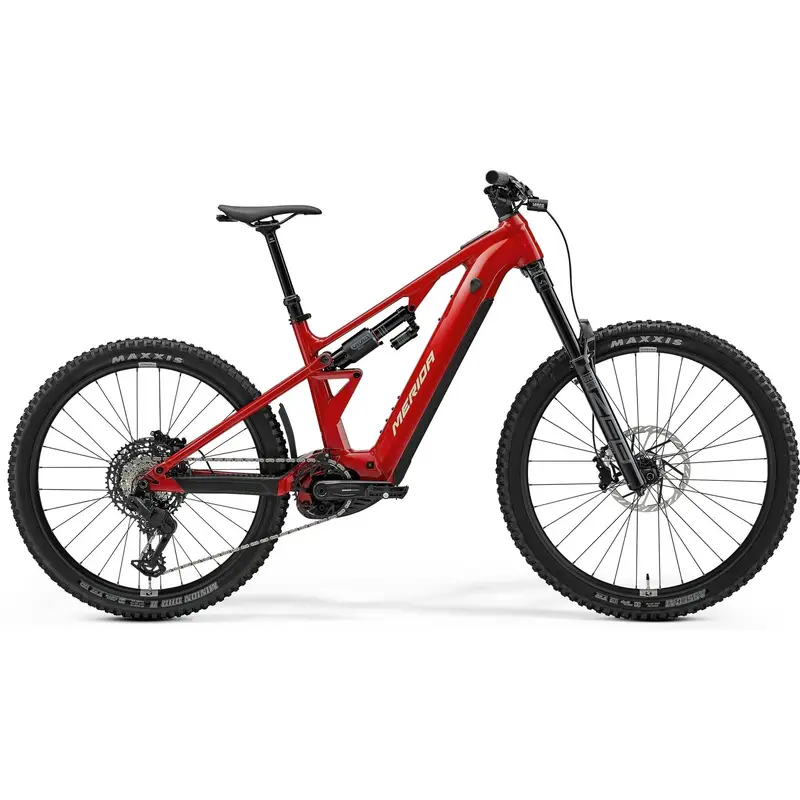
Before you buy, ask what the warranty covers. Look for separate periods on the motor, the battery and the controller, and ask who handles repairs. A strong warranty on the motor shows confidence, and local service support is more useful than a long paper guarantee. The Merida eOne-Eighty 700 Electric Enduro Bike Heritage Red/Brown is one example of a bike with a well-known drive system.
Keep a note of the serial numbers for the motor and the battery. If you need a warranty claim or a replacement part, the dealer will ask for them, and having them to hand saves time.
In short, a hub motor is a simple, affordable choice for commuting, while a mid-drive is the better choice for hills, trails and loads. Whichever you choose, focus on the complete system, the brake quality and the warranty. If you would like help matching a motor to your route, tell us where you ride and we will suggest bikes that suit.
Frequently asked questions
What is a good torque figure for hills?
A hub motor is in the wheel and is simple and affordable. A mid-drive motor is at the cranks, uses the gears and handles hills and loads better. Mid-drives cost more and wear the chain faster.
Is a mid-drive worth the extra cost?
A legal pedal-assist e-bike in Australia has a continuous rated power of 250 W and assistance that cuts out at 25 km/h. Higher peak figures can be quoted, but the continuous rating is what counts.
Do hub motors wear out sooner?
For flat commuting about 40 Nm is plenty. For steep hills or loaded cargo bikes, look for 60 Nm or more from a mid-drive system.
Why is my motor cutting out at 25 km/h?
Bosch, Shimano, Yamaha and Brose are widely used mid-drive makers. Bafang makes many hub and mid-drive motors. Choose a bike with a motor brand that has local support and spare parts.
Can a motor be upgraded later?
Motors need little maintenance, but keep connectors dry, avoid direct pressure washing and have a mechanic inspect the bike once a year. Keep the software updated if the maker provides updates.
Sources and further reading
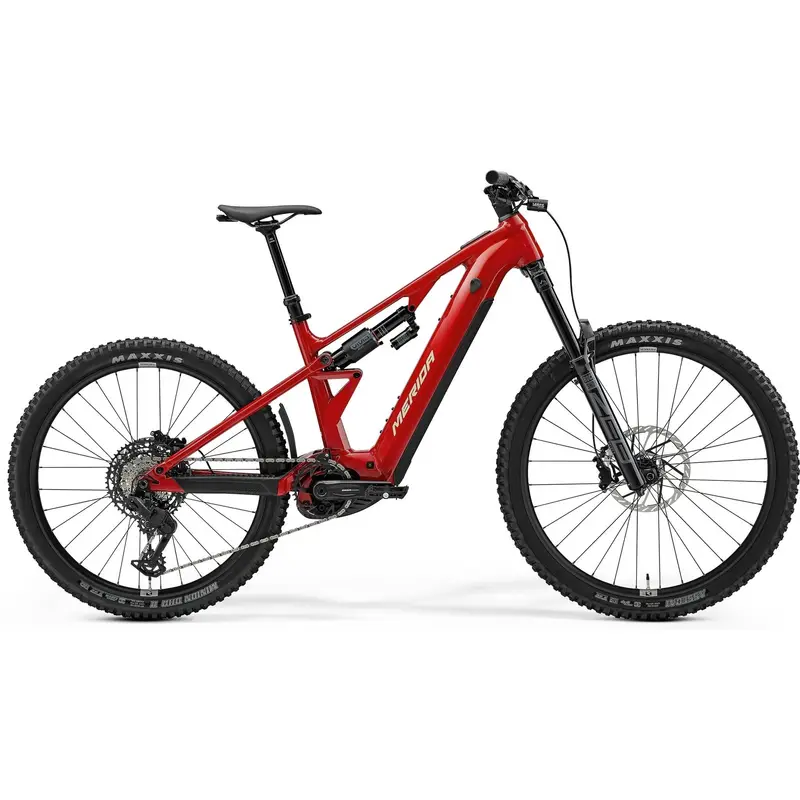
Merida eOne-Eighty 700 Electric Enduro Bike Heritage Red/Brown
$6953 AUD • 250W EN15194 Street Legal