E Bike Kit or New E-Bike? What a Conversion Really Costs
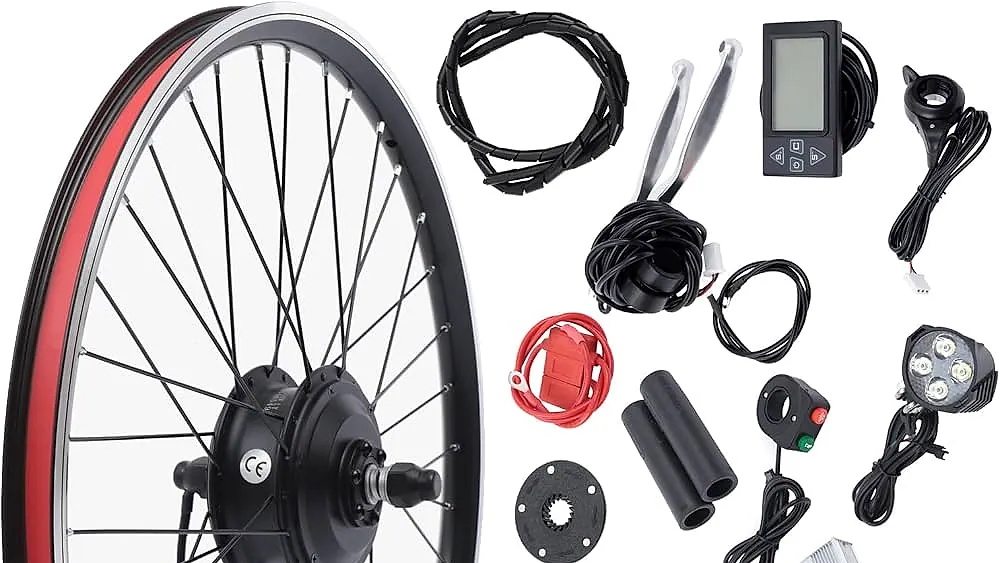
An e bike kit promises to turn the bicycle you already own into an electric one. For the right rider and the right frame, it can be a smart, affordable way to get assistance. But the real cost is more than the box price, fitting is not always simple, and the result has to meet the legal limits to ride on public roads. This guide explains what is in a kit, the total cost, frame and brake compatibility, legal rules for converted bikes, the skills you need and when buying a new e-bike is the better value.
What is in an e-bike conversion kit
A typical e bike conversion kit includes a motor, a controller, a battery, a display or control unit, a throttle or pedal sensor, a charger and cables. The motor is either a hub that replaces a wheel or a mid-drive that replaces the bottom bracket. Hub kits are more common because they are easier to fit.
Quality varies widely. A good kit comes with clear instructions, a matched battery and controller and local support. A poor one has unbranded parts, no documentation and no warranty. Check the motor rating, the battery capacity and the kit's sensor type before you buy.
Kits also differ in how they sense your pedalling. A cadence sensor detects that you are pedalling, while a torque sensor measures how hard you push and gives a more natural feel. Torque-sensing kits are more expensive but usually more enjoyable to ride.
Total cost: kit, battery and fitting
The advertised price often leaves out the battery, the charger or the fitting. Add the cost of a quality battery, which can be several hundred dollars, and any extras such as brake levers with motor cut-off. If you have a bike shop do the fitting, add labour.
As a rough guide, a decent hub-motor conversion with a battery can cost from a few hundred to well over a thousand dollars. A mid-drive conversion costs more. When you add the price of upgrading brakes or wheels, the total can approach the price of a new entry-level bike, which is why it is worth getting a quote.
Do not forget the smaller items: a better saddle, mudguards, lights and a robust lock. These are the same costs as for a new bike, but they are easy to overlook when you are focused on the motor.
Frame and brake compatibility
Not every bike can take a conversion. The frame must have suitable dropouts or bottom bracket for the motor, and the fork must be strong enough to take the torque of a front hub. Aluminium and steel frames are usually fine, while carbon frames and thin forks are not.
Brakes matter even more. A bike with rim brakes may struggle with the extra speed and weight, and disc brakes are strongly recommended. Check wheel size, axle width and the number of gears. If in doubt, ask a bike shop to inspect the frame before you buy.
Wheel size matters for hub kits. A kit built for a 26-inch wheel will not fit a 700c bike, and some kits are sold only for specific sizes. Measure the existing wheel and check the dropout spacing before you order.
Legal limits for converted bikes
In Australia, a bicycle with a motor is treated as an ordinary bicycle if it meets the EN 15194 standard: a continuous motor rating of 250 W, assistance that cuts out at 25 km/h and power delivered only when you pedal. Many kits are sold with higher power or a throttle, which can take the bike outside the standard.
A converted bike that exceeds the limits may be classed as a motor vehicle, which needs registration and a licence. Read Bicycle Network: federal return to the EN 15194 e-bike standard for the current position and ACCC Product Safety: e-bikes and e-micromobility devices for safety guidance, and choose a kit that is set to the legal limits. If you are unsure, ask the seller to confirm in writing.
If your converted bike is stopped by police or involved in an accident, you may need to show that it meets the standard. Keep the kit documentation, and choose a kit with a compliance statement.
Time and skills needed
A hub conversion can take a competent home mechanic a few hours: remove the wheel, fit the motor wheel, mount the battery and controller, run the cables and set up the display. A mid-drive conversion takes more skill and tools, because you must remove the cranks and bottom bracket.
If you are not confident, a bike shop will do the work, but fitting can cost a significant amount. Allow time to test the bike carefully before you ride in traffic. Check brakes, cable routing and bolt torque, and make sure the motor cut-off works when you brake. Our electric bicycle parts range lists spare parts and tools.
Whether you call it an ebike conversion or a bicycle ebike conversion, the steps are the same: check the frame, fit the motor, mount the battery and test carefully. Take your time on the wiring, because a loose connector is the most common cause of faults, and keep a small tool kit for roadside fixes.
When a new e-bike is the better buy
A conversion makes sense when you love your current bike, it has a strong frame and good brakes and you want to try an e-bike on a budget. It is also good for specialised frames that are hard to buy as an e-bike.
A new bike is often better value when your bike is old, the frame is not suitable or you want warranty cover. A purpose-built e-bike has a matched battery, motor and frame, better weight distribution and a full warranty. If you want a proper ride at a reasonable price, check our cheap electric bikes australia listings and compare with the total cost of a conversion.
Resale value is another factor. A new branded e-bike usually holds its value better than a home conversion, which can be hard to sell.
Our picks if you decide to buy
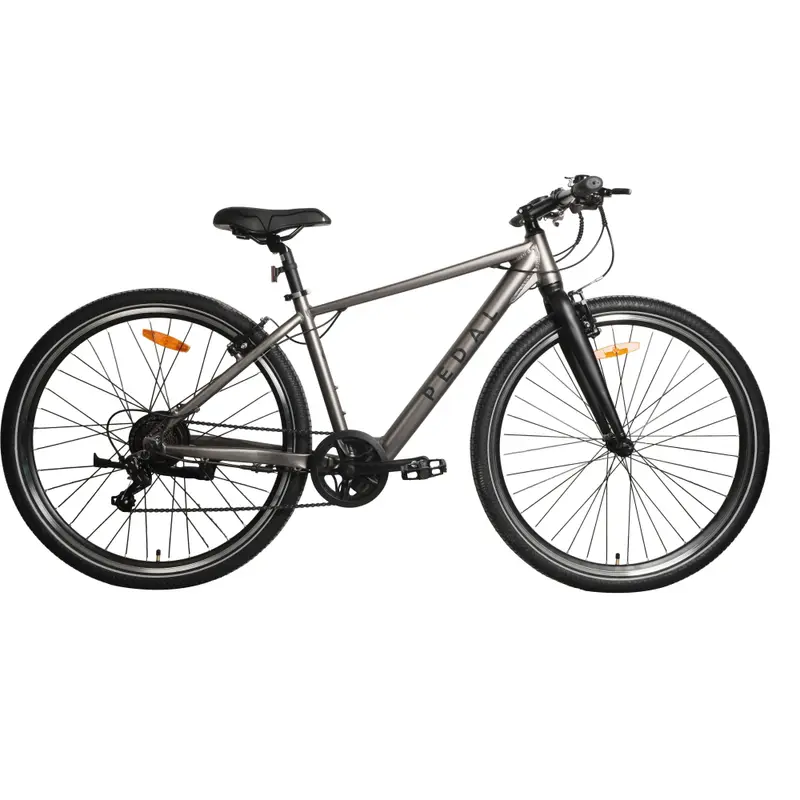
If you decide to buy a new bike, the Pedal Clipper 2 Electric Hybrid Bike Grey is a good place to start. At $899, it is priced in the range of a quality conversion with fitting, and it comes with a warranty and a matched battery. If you still prefer a kit, look at the range of electric engine for bicycle options and read the specifications carefully.
For more throttle-assisted bikes, our electric bike with throttle range is worth a look, but check the rules first. For replacement batteries and chargers, see e cycle battery, and make sure the pack matches your system.
Keep the paperwork for the kit, including the compliance statement and any warranty, in the same place as your bike receipts. It makes servicing, insurance and resale much easier.
An e bike kit is a good option for the right bike and the right owner, but it is not always the cheapest or the easiest way to go electric. Get a full quote, check the legal limits and compare against a new e-bike before you decide. If you want help weighing the two, contact us with the details of your bike.
Frequently asked questions
Can any bike be converted?
It can be, if your bike has a strong frame and good brakes and you do the work yourself. When you add a quality battery, fitting and upgrades, the total can approach the price of a new entry-level e-bike.
Is a converted e-bike legal in Australia?
Not all. The frame, fork, wheel size and brake type must be compatible. Carbon frames and thin forks are not suitable, and rim brakes may be inadequate for the extra speed and weight.
How long does a conversion take?
Only if the converted bike meets the EN 15194 standard: 250 W continuous power, assistance that cuts out at 25 km/h and power only when pedalling. Higher power or a throttle may take it outside the standard.
Is a kit cheaper than a new e-bike?
A hub conversion can take a few hours for a competent home mechanic. A mid-drive conversion needs more skill and tools. A bike shop can do the fitting if you are not confident.
Do kits void a frame warranty?
A new bike is usually better if your current frame is old or unsuitable, or if you want a warranty and a matched battery and motor. A conversion makes sense for a bike you love and a tight budget.
Sources and further reading
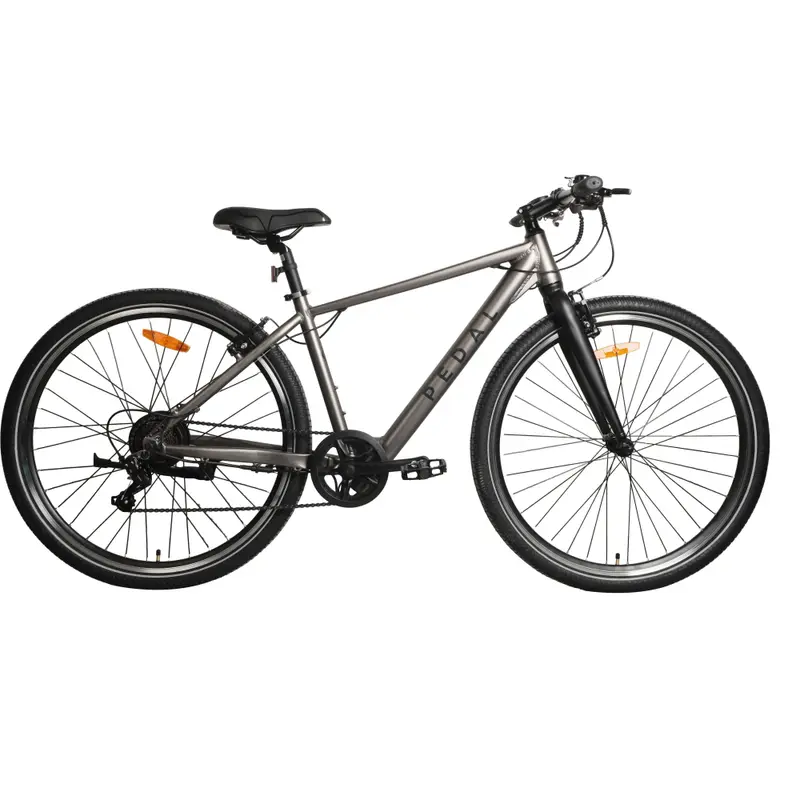
Pedal Clipper 2 Electric Hybrid Bike Grey
$899 AUD • 250W EN15194 Street Legal