E Bike Li Ion Battery Guide: Safety, Storage and Charging
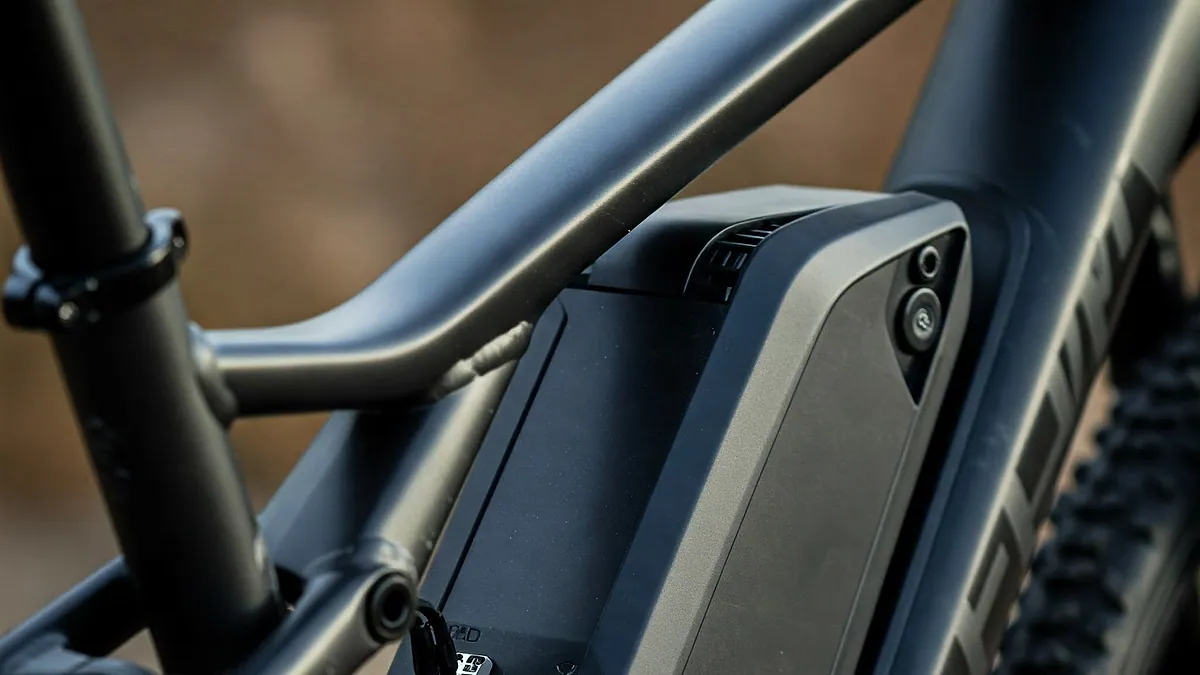
An e bike li ion battery stores the energy that powers your motor, and when it is made well, charged correctly and stored sensibly it is a safe and reliable part of your bike. When it is damaged, overheated or charged with the wrong charger, it can fail. This guide explains how a lithium-ion pack works, what makes some packs riskier than others, how to charge and store yours, the warning signs to watch for and how to dispose of an old battery. It is practical advice, based on guidance from Australian safety authorities, written for everyday riders.
How a lithium-ion e-bike battery works
A lithium-ion pack is a group of small cells wired together with a battery management system, or BMS. The cells store the energy, and the BMS watches voltage, current and temperature, cutting power if something goes wrong. Capacity is measured in watt-hours, so a 500 Wh pack stores twice as much energy as a 250 Wh pack. Most packs are rated for several hundred full charge cycles before capacity fades, which is typically several years of regular use. The Wikipedia entry on the lithium-ion battery explains the chemistry in plain language: ACCC Product Safety: lithium-ion batteries guide.
The BMS is the pack safety brain. If a pack has no BMS or a poor one, it is not worth buying at any price.
What makes some batteries riskier
Risk rises when a pack is cheap, damaged or poorly matched to its charger. Unknown-brand cells, missing BMS protection, and chargers that do not match the pack are common causes of failure. A battery that has been dropped, crushed or left in a hot car can be damaged inside even if it looks fine. Choose packs from reputable makers, buy from a seller who will stand behind them and avoid unbranded replacement batteries from unclear sources. Our listings state the motor and battery details where the maker supplies them, so you can check before you buy.
Every li ion battery for electric bike use contains energy that is released as heat when the cells are damaged, so the aim is to keep the cells cool, protected and within their voltage limits. A good pack has a rigid case, sealed connectors and a clear label with the maker, voltage, capacity and certification marks. If the label is missing or the case feels flimsy, do not buy it.
Charging safely at home
Charging safely is simple. Use the charger that came with the bike or one approved by the maker. Charge on a hard, flat, non-flammable surface, away from curtains and beds. Do not charge in direct sun or in a very cold place, and do not leave a battery charging unattended or overnight. Unplug when it is full. If the charger or the cable is hot, damaged or smells, stop using it. The ACCC publishes a guide to using lithium-ion batteries safely at home: Lithium-ion battery (Wikipedia). See our e cycle battery page for approved chargers and packs.
If you charge indoors, fit a smoke alarm nearby and keep the charging area clear of clutter. It is a cheap precaution and could save your home.
Storing the battery in summer and winter
Storage matters for lifespan and safety. Keep the pack indoors in a dry place between about 10 and 25 degrees Celsius, away from direct sun, heaters and flammable materials. If you will not ride for a few weeks, store it at roughly 50 to 70 percent charge and top it up every six weeks. Never leave a battery in a parked car or a hot shed in an Australian summer. In winter, let a cold battery warm to room temperature before you charge it, because charging a cold pack can damage the cells.
A lithium ion battery for electric bike use also ages with time, not just with cycles. A pack stored full in a hot place loses capacity faster than one stored partly charged in a cool place, even if it is rarely used. That is why storage advice matters as much as charging advice, and why a seven-year-old battery may be due for replacement even if it still works.
Signs a battery needs replacing
Watch for warning signs. A battery that swells, leaks, smells, gets very hot, makes a hissing sound or loses range very quickly should be taken out of use at once. Keep it outdoors on a non-flammable surface if you can, and contact the seller or a qualified professional. Do not try to repair a pack yourself, because a damaged cell can ignite. If your bike has had a crash, have the battery checked even if it looks fine. Our ebike parts page lists parts that may help, and the e bicycle kit page covers conversion kits that use separate packs.
When you shop for a lithium ion battery for e bike conversion or replacement, match the voltage, connector and mounting to your bike, and buy from a seller that lists the cell brand and BMS details. A cheaper pack is not a bargain if it has no certification, no warranty and no support.
Transporting and disposing of old batteries
Here are examples of bikes in our range with different battery sizes, from 374 Wh on the Pedal Derby to 800 Wh on the Cube Touring Hybrid Pro. A larger pack gives longer range but weighs more and costs more to replace. Choose a pack that matches how far you ride, and keep in mind that the listed range is under ideal conditions. The embedded pick, the Cube Touring Hybrid Pro 800 Electric Hybrid Bike Pearlgrey'n'Grey, has an 800 Wh pack and a Bosch motor and is suited to long rides and hills. Compare the options in the table below.
| Model | Brand | Price (AUD) |
|---|---|---|
| Cube Touring Hybrid Pro 800 Electric Hybrid Bike Pearlgrey'n'Grey | Cube | $3,999 |
| Merida eFloat City 400 EQ Electric Hybrid Bike Pearl White/Gunmetal Grey | Merida | $3,199 |
| Pedal Brewer Electric Cruiser Bike 560Wh | Pedal | $1,899 |
| Dirodi Rover Pro 250W Electric Fat Bike | Dirodi | $3,259 |
| Pedal Derby Electric Folding Bike | Pedal | $1,899 |
Prices are the current listed prices at the time of writing and can change. Check each product page for the latest price and stock.
Buying a battery you can trust
Transport and disposal need care. Take the battery out and carry it inside the vehicle rather than leaving it on a rack when you travel by car. Check airline and train rules before you carry it, because many restrict lithium batteries. When a battery reaches the end of its life, do not put it in the household bin. Take it to a battery recycling drop-off point, such as those run by councils and retailers. Large cargo bikes use bigger packs, so see our electric cargo bike range if you carry heavy loads, and our foldable electric bike range for compact folding options with smaller batteries.
Ebike lithium cells are also sensitive to impact. If you drop the battery or crash the bike, treat the pack as suspect, check the case for cracks and let a qualified person test it. A lithium ion battery for ebike use that has been crushed or punctured should be recycled, not charged.
A well-chosen e bike li ion battery is safe, long-lasting and easy to live with. Buy a quality pack, use the right charger, store it sensibly and watch for warning signs. If anything seems wrong, stop using it and ask for help. For a deeper look at capacity and charging habits, read our battery guide, and compare bikes by battery size in the table above.
Frequently asked questions
How long does an e-bike lithium battery last?
A quality pack typically lasts several years of regular use, or several hundred full charge cycles, before capacity fades noticeably. Heat, deep discharge and rough handling shorten that life, while sensible charging and storage extend it.
Is it safe to charge overnight?
It is better not to. Charging unattended and overnight increases risk if something goes wrong. Charge while you are awake and nearby, on a hard surface, and unplug when the battery is full.
Can I use a cheaper charger?
Only if it is made for your battery and approved by the maker. A mismatched charger can overcharge or damage the pack, which is a safety risk and may void the warranty.
How should I store the battery for winter?
Store it indoors in a dry place between about 10 and 25 degrees Celsius at roughly 50 to 70 percent charge, and top it up every six weeks. Avoid cold sheds and hot cars.
What do I do with a dead e-bike battery?
Do not put it in the household bin. Take it to a battery recycling drop-off, which many councils and retailers provide, and tape the terminals if you are told to.
Sources and further reading
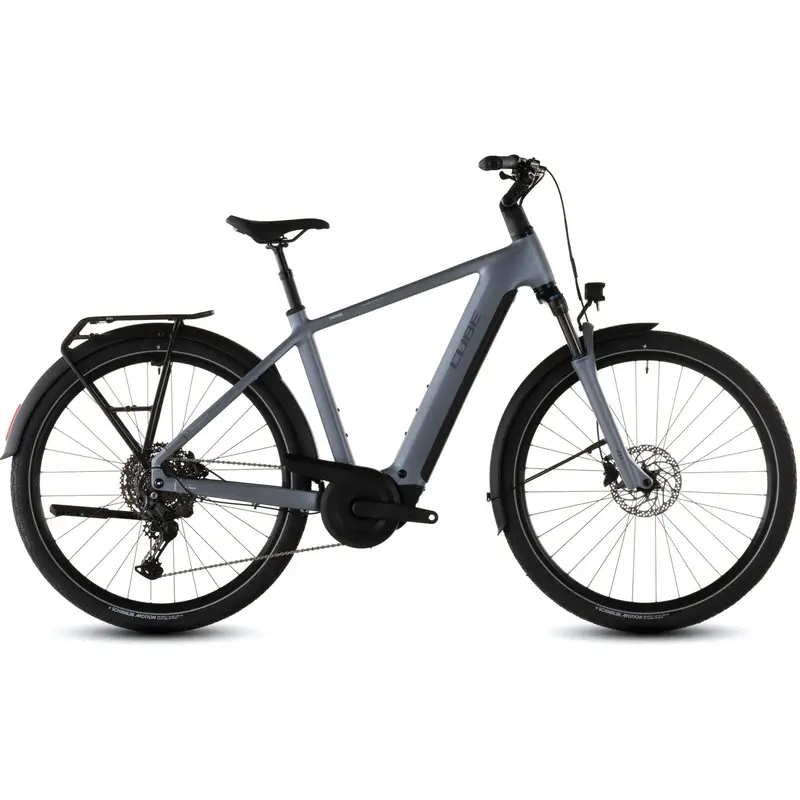
Cube Touring Hybrid Pro 800 Electric Hybrid Bike Pearlgrey'n'Grey
$3999 AUD • 250W EN15194 Street Legal