Electric Bike Hub Motor Guide: Pros, Cons and Which Bikes Have One
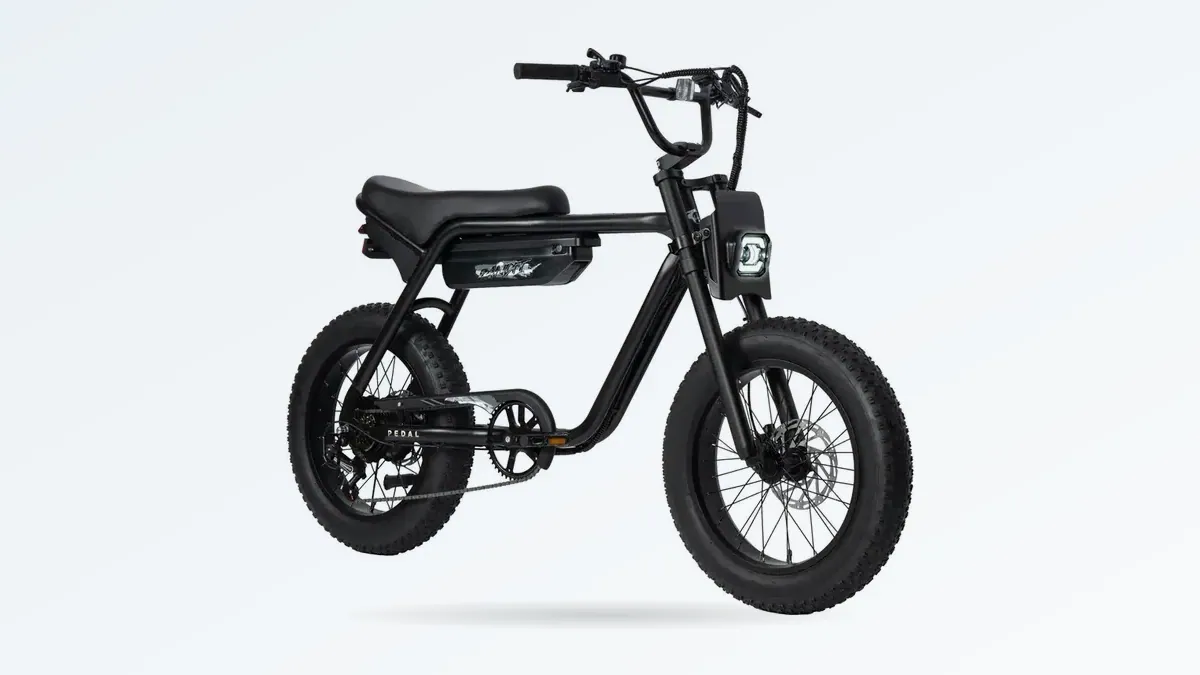
An electric bike hub motor sits inside the wheel hub and drives the bike directly, which makes it the simplest and most affordable way to power an e-bike. It is quiet, needs little maintenance and keeps the drivetrain separate from the motor. This guide explains how a hub motor works, the difference between front, rear and geared hubs, where a hub motor makes sense, where it struggles and which of our bikes use one. If you ride short, flat trips on a budget, a hub motor is usually all you need.
How a hub motor works
A hub motor is a small electric motor built into the centre of the wheel. When current flows, the motor spins the wheel directly or through internal gears. A controller manages the power, and a sensor measures pedalling or speed so the motor knows when to help. The electric bike wheel hub motor has no belts or chains, which makes it simple and quiet. The Wikipedia entry on the hub motor explains the design and its history: Hub motor (Wikipedia). In our range, most hub-motor bikes use a 250 W rear hub, which meets the Australian rules.
An electric bicycle wheel hub motor also keeps the rest of the bike simple. The frame is a standard frame, the gears are standard gears and the brakes are standard brakes, so any bike shop can work on the parts that are not electric. That wide support is one reason hub-motor bikes are so common in the entry and mid-range of the market.
Front, rear and geared hubs
Hubs come in three types. A front hub motor drives the front wheel, which is rare and can affect grip on loose surfaces. A rear hub motor drives the rear wheel, which gives better traction and is the most common choice. A geared hub uses small planetary gears inside the hub, so the motor spins faster and the whole unit is smaller and lighter, and a direct-drive hub has no gears and can feel smoother but weighs more. Most of the bikes we sell use rear geared hubs because they balance weight, cost and reliability.
If you are comparing a hub motor for e bike use with a conversion kit, check the wheel size, the dropout width, the brake type and the cable routing before you buy. A mismatched hub is a common reason for returns. Hub motors on complete bikes are matched to the frame at the factory, so they avoid these problems.
Where a hub motor makes sense
A hub motor makes sense for city riding, flat commutes, casual rides and budget bikes. Because the motor is separate from the drivetrain, it does not wear the chain or gears the way a mid-drive does, and you can use any gearing you like. It is also easier to fit in a folding bike, because there is no complex crank mechanism. Our folding electric bike page lists folding bikes that use a hub motor, and the electric fat bike page lists fat-tyre bikes that use a hub motor with a big battery for long relaxed rides.
Limits on hills and heavy loads
The limits show on hills and heavy loads. A hub motor cannot use the bike gears to multiply its effort, so on a steep hill it can run out of torque and heat up. Weight sits at the back wheel, which can make the bike feel less balanced, especially on rough trails. Hub motors also react to speed and pedal cadence rather than pedal force, so assistance can feel less natural than on a mid-drive. If you ride steep hills every day or carry heavy cargo, look at a mid-drive instead.
Heat is the other limit. On a long climb, a small electric bicycle hub can get warm, and the controller may reduce power to protect it. That is a safety feature, not a fault, and it is another reason to choose a mid-drive if you often climb for many minutes at a time.
Maintenance and puncture repair
Maintenance is easy. The motor needs little care beyond keeping the wheel nuts tight and the cable connectors clean. Puncture repairs on a rear hub-motor wheel are a little harder because the wheel is heavy and has a cable, so learn the steps before you need them or let a bike shop do it. If you want to learn how motor kits work in general, our electric motor for bicycle page lists conversion kits, and many of them use a hub motor. Always check the wheel size and dropout width before you buy a replacement hub.
Because the weight sits at the wheel, a rear hub bike can feel a little heavy when you lift it. Take the battery off first, and learn how to remove the wheel before your first flat. A short video from the maker or a bike shop saves a lot of frustration later.
Hub-motor e-bikes in our range
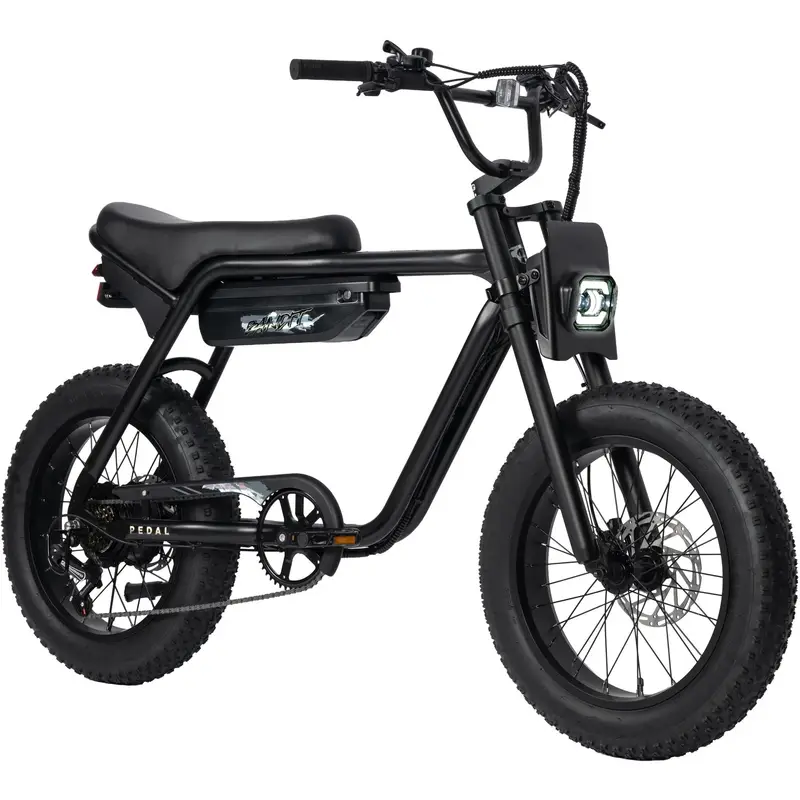
These bikes in our range use hub motors. The Pedal Bandit 20 has a 250 W rear hub and a 624 Wh battery, the Pedal Derby folds and has a 250 W rear hub, the Pedal Brewer is a step-through cruiser with a rear hub, the DiroDi Rover Pro uses a 250 W geared rear hub with a 1,040 Wh battery and the Merida eSilex uses a MAHLE rear hub drive. Compare them in the table. The embedded pick, the Pedal Bandit 20" Electric Fat Tyre Bike, is the best-value fat-tyre option. Prices are current at the time of writing.
| Model | Brand | Price (AUD) |
|---|---|---|
| Pedal Bandit 20" Electric Fat Tyre Bike | Pedal | $1,299 |
| Pedal Derby Electric Folding Bike | Pedal | $1,899 |
| Pedal Brewer Electric Cruiser Bike 560Wh | Pedal | $1,899 |
| Dirodi Rover Pro 250W Electric Fat Bike | Dirodi | $3,259 |
| Merida eSilex 400 Electric Gravel Bike | Merida | $2,999 |
Prices are the current listed prices at the time of writing and can change. Check each product page for the latest price and stock.
Hub or mid-drive: a simple decision rule
Choosing between hub and mid-drive comes down to your hills, your loads and your budget. If you ride flat or gently rolling routes, carry little and want to keep the price down, a hub motor is a great choice and our affordable electric bicycle page lists affordable options. If you climb steep hills, carry loads or want the most natural feel, choose a mid-drive. For a broader look at the technology, see the Bafang site for how a hub system is built: Bafang e-bike systems. A good rule is to test ride one of each if you can.
Think of the ebike hub as a reliable work horse: not as refined as a mid-drive, but straightforward, durable and cheaper. If your riding matches its strengths, you get a lot of bike for the money. Our road bicycle electric page lists road-style hub bikes for riders who want speed rather than torque.
An electric bike hub motor is the simplest, most affordable and most reliable way to add power to a bike. It does best on flat and rolling routes and in budget, folding and fat-tyre designs. Compare the models in the table, and choose a mid-drive only if hills and loads are your daily reality.
Frequently asked questions
Is a rear hub motor reliable?
Yes. Hub motors have few moving parts and need little maintenance. Their reliability depends on build quality and use, and a quality unit from a known maker should last for many years.
Can a hub motor climb hills?
Yes, up to a point. A hub motor can handle moderate hills, but it cannot use the bike gears to multiply torque, so very steep or long climbs can slow it down or heat it up.
Do hub motors work without the battery?
Most e-bikes only provide assistance when the battery is connected, but the bike will still roll and can be pedalled. Without power, a hub-motor bike is heavier than a normal bike and can feel stiff.
How do I fix a flat on a hub-motor bike?
Remove the wheel following the maker instructions, disconnect the motor cable and repair the tube as normal. Take care to refit the cable and axle nuts correctly. A bike shop can do it if you prefer.
Are hub-motor e-bikes cheaper?
Usually yes. A hub motor has a simpler design than a mid-drive, so entry-level and mid-range e-bikes often use one, which keeps the price down for the rider.
Sources and further reading
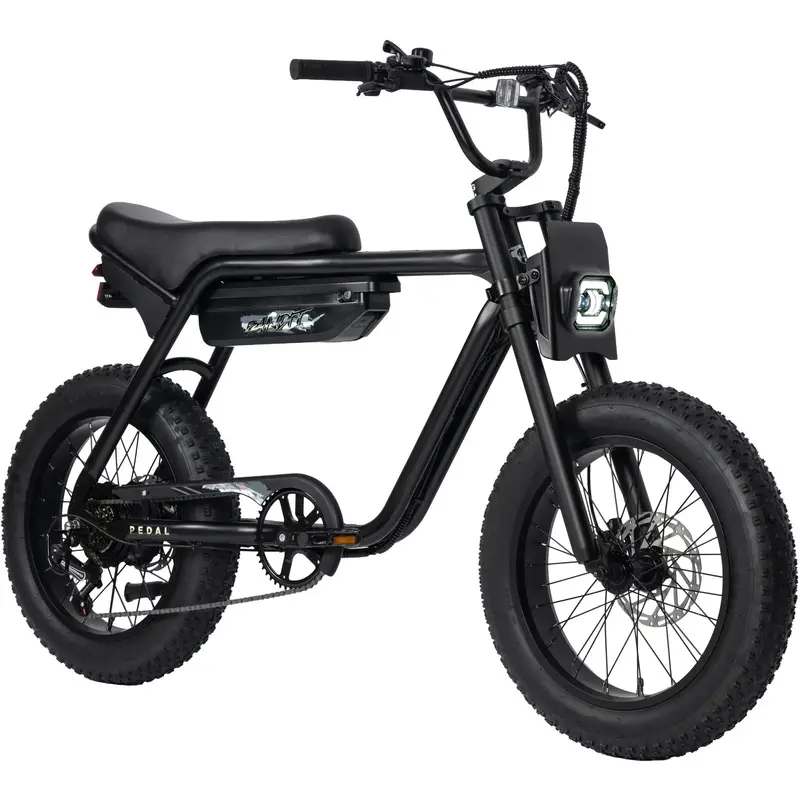
Pedal Bandit 20" Electric Fat Tyre Bike
$1299 AUD • 250W EN15194 Street Legal